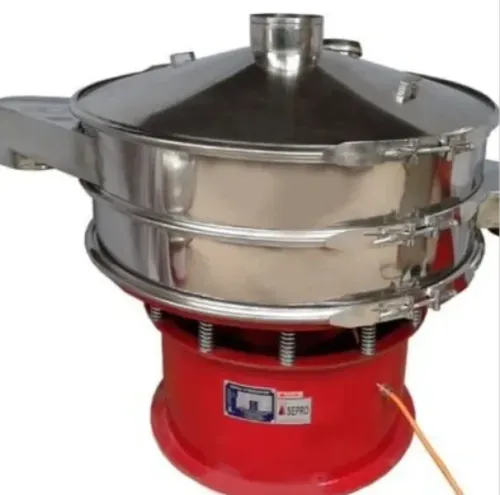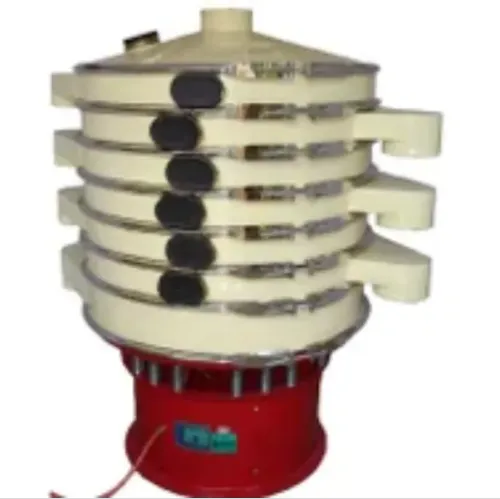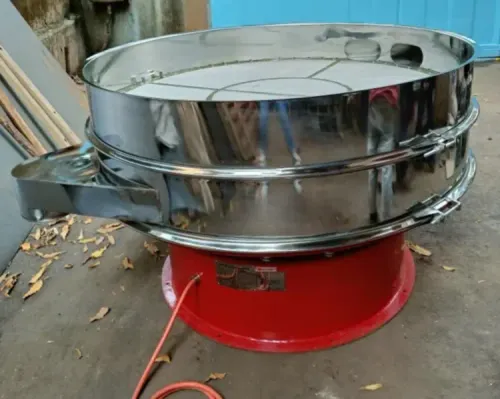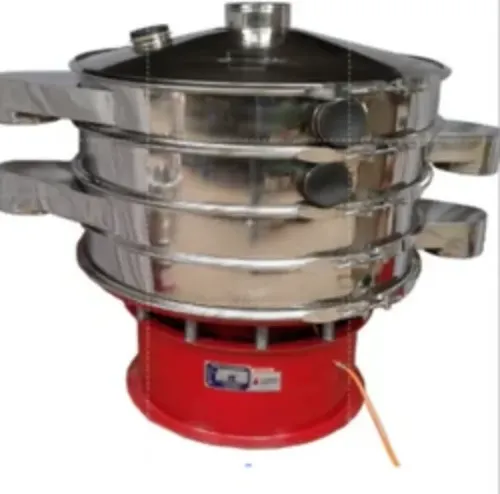
Garnet sand used in industrial applications needs appropriate particle classification to meet downstream process requirements. Variations in particle size, unwanted fines, oversized material, and inconsistent feed can influence how the material performs after screening.
Selecting a Garnet Sand Screening Machine therefore requires more than matching a nominal capacity figure to the production target.
Industrial buyers in Navi Mumbai, Maharashtra, should assess the abrasive nature of the material, required grades, throughput, and maintenance expectations before finalising equipment.
Define Garnet Sand Screening Machine Output Requirements
The first step is to specify what the plant needs after screening.
A process may require removal of fines, separation of oversized particles, production of a defined grade, or multiple particle fractions.
Document the required cut points and acceptable tolerances.
Without a defined output specification, it becomes difficult to determine whether the proposed screening arrangement is appropriate.
Provide Representative Material Information
Garnet sand should be evaluated according to its actual condition.
Useful information includes:
- Feed particle-size distribution
- Bulk density
- Moisture
- Maximum particle size
- Desired fractions
- Expected hourly throughput
- Operating duration
Representative samples can also help equipment providers understand how the material behaves during screening.
Account for Abrasive Material
Garnet is an abrasive mineral, making wear an important consideration.
Screens and material-contact components should be inspected as part of routine preventive maintenance. Equipment selection should also consider how easily wear components can be accessed and replaced.
Procurement decisions based solely on initial purchase price may overlook the long-term effect of maintenance and screen replacement.
Check Capacity Under Real Conditions
Capacity claims need context.
Throughput can change according to mesh opening, particle distribution, material condition, screen area, and feed consistency.
Ask how the proposed capacity was determined and whether the estimate reflects material similar to the actual garnet sand being processed.
A useful supplier discussion should focus on sustainable operating throughput while maintaining the required separation.
Review Plant Integration Before Ordering
Measure the available installation area and review how material will enter and leave the machine.
Consider feed height, discharge arrangement, surrounding equipment, operator access, maintenance clearance, electrical requirements, and collection systems.
These practical details can prevent expensive modifications after equipment arrives.
Look for Application Based Equipment Selection
A credible screening discussion should include questions about the product and process.
If a recommendation is made without understanding the required particle size, throughput, material condition, and installation arrangement, important application variables may be overlooked.
Separation Engineers serves industrial customers from Navi Mumbai and can evaluate screening applications using the material and process requirements supplied by the customer.
Before selecting a Garnet Sand Screening Machine, procurement and engineering teams should create a simple application sheet covering feed characteristics, desired output, operating capacity, installation constraints, maintenance needs, and downstream process requirements.
This preparation makes supplier comparisons clearer and helps ensure that equipment is assessed according to how it needs to perform inside the plant, not simply according to a generic machine specification.
Keywords