Tea processing involves more than producing the desired leaf characteristics. The finished material may need sorting and classification so that different particle sizes can be handled according to the intended grade and subsequent processing requirements.
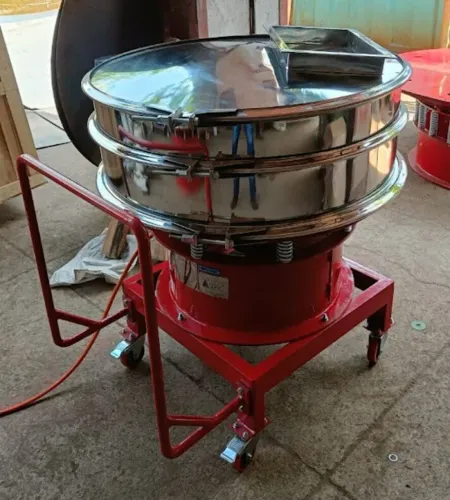
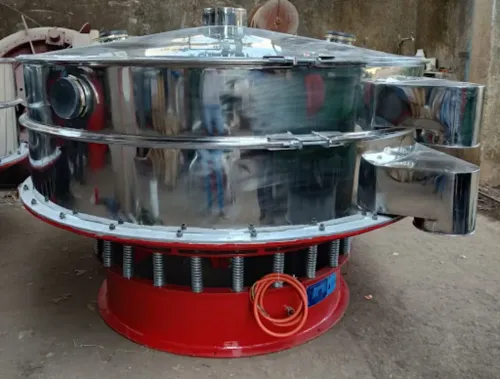
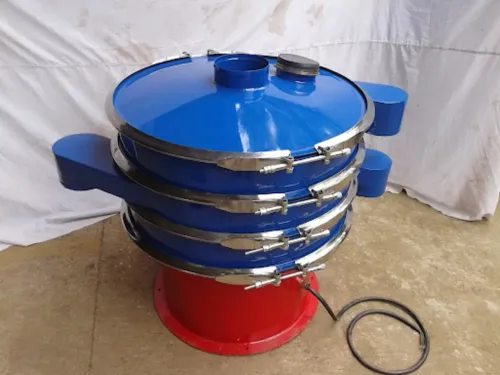
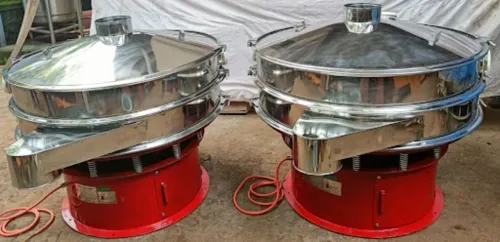
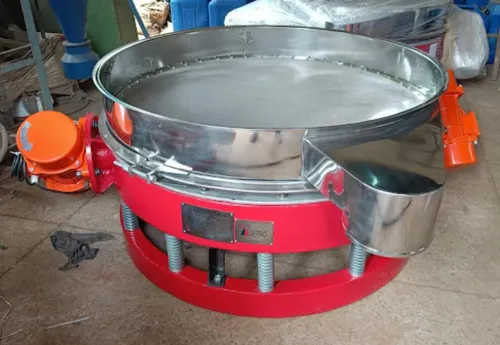
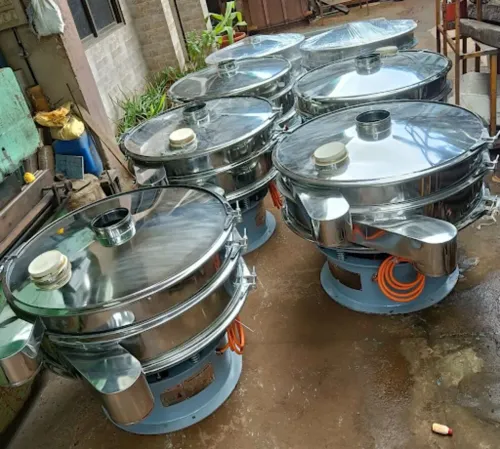
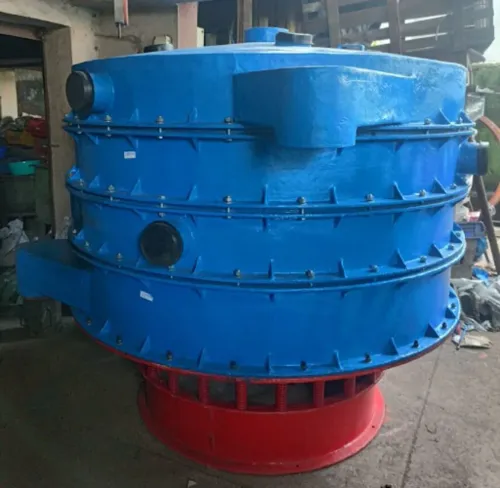
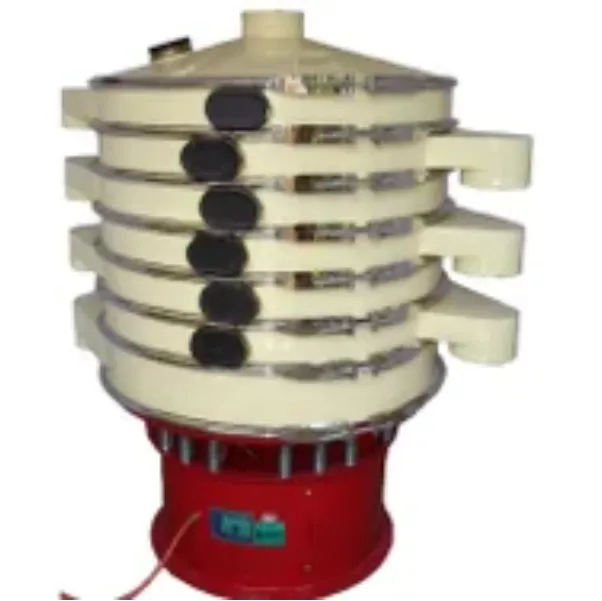
A Sepro Tea Sorting Machine can be evaluated when a tea-processing unit needs a more systematic approach to size-based separation.
For procurement teams serving tea businesses in Maharashtra and companies sourcing processing equipment through Navi Mumbai, the decision should be based on actual product requirements rather than machine capacity alone.
Define the Sepro Tea Sorting Machine Application
Before requesting a quotation, document what the sorting stage needs to achieve.
Tea material can vary considerably depending on processing method, grade, moisture condition, particle distribution, and production stage.
Useful questions include:
- What material enters the machine?
- Which size fractions are required?
- How many grades need separation?
- What throughput is expected?
- How many hours will the equipment operate?
- How frequently will products change?
- What cleaning procedure is required?
These answers help determine an appropriate equipment configuration.
Examine Sorting Consistency
A sorting machine should be evaluated by the consistency of the required fractions, not simply by how quickly material moves through it.
Ask how screen selection relates to the desired tea grades.
When several fractions are required, the screening arrangement should support those separation points without creating unnecessary handling between stages.
Consider Product Handling
Tea can include lightweight and irregular particles. Feeding should therefore be controlled so material distributes appropriately across the available screening area.
Uneven loading can affect classification.
The upstream feeding arrangement should be considered during equipment planning rather than being treated as a separate issue after installation.
Review Cleaning and Changeover Needs
Facilities processing multiple tea grades may perform regular product changes.
If cleaning and screen access are difficult, changeovers can consume significant production time.
Operators should understand how screens are accessed, inspected, cleaned, and replaced. Maintenance personnel should also have adequate clearance around the equipment.
Evaluate Capacity With the Actual Product
Nominal throughput provides only a starting point.
Material characteristics, screen openings, number of fractions, feed consistency, and product condition can influence operating capacity.
When possible, provide representative material information during technical discussions.
Assess Supplier Understanding
A useful equipment provider should ask detailed questions about the process.
Separation Engineers, based in Navi Mumbai, manufactures industrial screening equipment and can discuss tea sorting requirements according to application parameters supplied by the processor.
Procurement professionals can use the initial discussion to assess whether the proposed configuration addresses particle sizes, throughput, cleaning, installation, maintenance, and downstream handling.
Prepare the Site Before Finalising Equipment
Confirm installation dimensions, electrical availability, feeding arrangement, discharge collection, operator access, and maintenance space.
It is easier to resolve integration questions before manufacturing than after equipment reaches the plant.
A Sepro Tea Sorting Machine should ultimately be selected as part of the tea-processing workflow rather than as an isolated purchase.
When buyers define the required grades, understand material behaviour, verify realistic throughput, assess cleaning requirements, and confirm plant integration, they are better positioned to choose equipment that supports consistent tea classification over routine production.
Keywords