The correct screener depends on the physical state, grade, moisture, crystal-size distribution, and separation limits of your oxalic acid feed—not on a nominal capacity figure alone. By defining the duty, controlling dust and agglomeration, checking materials and temperature limits, and comparing alternative technologies, you can specify equipment that meets the actual product and safety requirements.
Key takeaways
- Identify anhydrous or dihydrate oxalic acid before requesting capacity figures.
- Specify feed size, target cut size, throughput, and oversize limits in writing.
- Test moisture, heat, static, breakage, and screen blinding risks with your actual material.
- Demand documented compatibility, dust containment, cleanability, and trial results from suppliers.
Define the Screening Duty Before Comparing Machines
A capacity quotation is meaningful only after you define the oxalic acid screening duty in measurable terms. State whether the feed is anhydrous oxalic acid, CAS 144-62-7, or oxalic acid dihydrate, CAS 6153-56-6. Their crystal-water content changes how the material responds to humidity, heat, storage, and screening.
- Record the normal, minimum, and peak feed rate in kg/h, along with bulk density and feed temperature.
- Measure the incoming crystal size distribution using standardized test sieves. Do not describe the feed only as “fine powder” or “granules.”
- State the target cut size and the required product fractions. Identify whether you need one separation or several size fractions from a multi-deck machine.
- Set numerical limits for oversize and undersize in each product stream, including the maximum acceptable product loss.
- Record feed moisture, room humidity, storage history, and any tendency to cake, blind the screen, generate dust, or break crystals.
- Specify the allowable oversize loading and provide a representative lot for a screening trial.
Ask the supplier to base the quotation on these conditions, plus the proposed aperture, number of decks, vibration settings, and residence time. A tonnes-per-hour figure without those details cannot be compared reliably: two machines rated at the same capacity can produce different cuts, losses, and blinding rates.
Require analysis of the trial feed, oversize, and undersize before approving the machine size.
Match the Screen Aperture to the Required Product Specification
Choose the screen aperture from the required fraction limits, not from the machine’s nominal capacity. A target cut of 500 micrometres does not automatically mean a 500-micrometre mesh size: wire diameter, aperture shape, open area, crystal shape, feed loading, vibration amplitude, and residence time change the actual separation.
Test a representative oxalic acid lot with standardized test sieves. Measure the feed, retained oversize, and passing undersize, then set the allowable oversize and undersize percentage before approving the machine. Use woven wire cloth for finer, more precise cuts; select a perforated screen when larger openings, stronger impact resistance, or reduced blinding matters.
| Configuration | Suitable duty | Main trade-off |
|---|---|---|
| Single deck | One controlled cut or removal of foreign particles and coarse oversize | Simple and easy to clean, but cannot produce several grades |
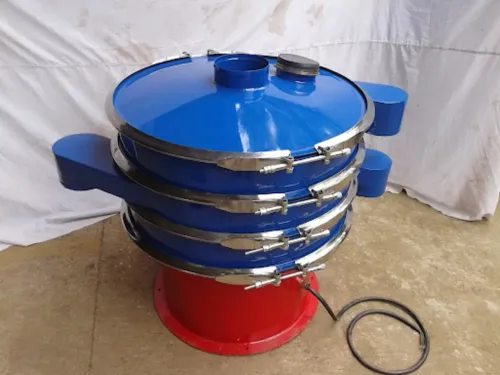
| Multiple decks | Simultaneous coarse, intermediate, and fine fractions | More capacity per footprint, but greater retention, cleanout time, and cross-contamination risk |
| Staged screens | Separate cuts requiring independent adjustment or inspection | Better control of each fraction, but needs more floor space and transfers |
Specify feed rate, bulk density, moisture, crystal-size distribution, and permitted product loss with every capacity request. Adjust vibration amplitude and residence time together: excessive amplitude can break crystals, while insufficient conveying action leaves material on the deck.
Define the maximum product temperature at the deck, especially for oxalic acid dihydrate, because heating can alter crystal-water content.
Control Moisture, Heat, Breakage, Blinding, and Static
The feed identity determines the trial conditions. Anhydrous oxalic acid is CAS 144-62-7; oxalic acid dihydrate is CAS 6153-56-6. Their crystal-water content changes how they respond to humidity, heating, and storage, so test the commercial grade you will screen, not a generic “oxalic acid” powder.
1. Record room humidity, feed temperature, moisture content, and transfer conditions. Use sealed conveying and keep the feed within a defined temperature range; moisture can make fine crystals cake and blind the mesh, while heating can alter the hydrate state or increase degradation and dust.
2. Limit crystal damage with the lowest vibration intensity and drop height that meets capacity. Excessive acceleration creates fragments and fines, changing the size distribution and loading the undersize outlet.
3. Specify a deblinding system for the actual powder. Sliders and bouncing balls are simple but can create fragments or contamination; ultrasonic excitation reduces mechanical contact but costs more and needs a compatible screen design.
4. Control static with bonding and grounding across the screener, clamps, ducts, and flexible connections. Do not rely on added humidity as the main remedy: it can reduce charge while worsening caking.
5. Use sealed feed and discharge connections with controlled negative pressure. Set extraction so dust is captured without pulling saleable crystals into the collector, and verify the setting during a production-rate trial.
Specify Compatibility, Dust Containment, and Cleanability
Specify the actual acid form and every surface exposed to powder, not just the screen frame. Anhydrous oxalic acid (CAS 144-62-7) and oxalic acid dihydrate (CAS 6153-56-6) respond differently to humidity, heat, and cleaning. Require a materials schedule with conditions for each component.
- Confirm 316L stainless steel compatibility, weld quality, springs, fasteners, elastomers, coatings, screen adhesives, and inspection-window materials against acid concentration, temperature, and cleaning chemistry.
- Enclose transfer points and connect the machine to dust collection sized for the measured load; provide local exhaust ventilation where operators open covers, discharge product, or change screens.
- Bond and ground the frame, removable decks, covers, flexible connectors, dust-collection ducting, and conductive product-contact parts. Test continuity across painted or gasketed joints, and specify conductive hoses or screens where insulating parts could retain charge.
- Obtain combustible-dust test data for the actual grade or mixture, including Kst, Pmax, minimum ignition energy, minimum explosible concentration, and layer ignition temperature. Use those results to select explosion venting, suppression, isolation, or protection measures.
- For European hazardous-area installations, state the equipment category and protection method under ATEX Directive 2014/34/EU separately from the workplace dust-zone classification under Directive 1999/92/EC.
Wet cleaning needs drainable geometry, accessible dead spaces, compatible seals, and a defined drying step. Dissolved oxalic acid can recrystallize as concentrated deposits; dry vacuum cleaning may recover more product and reduce caking when water is unnecessary.
Compare Screening Technologies and Validate the Supplier’s Proposal
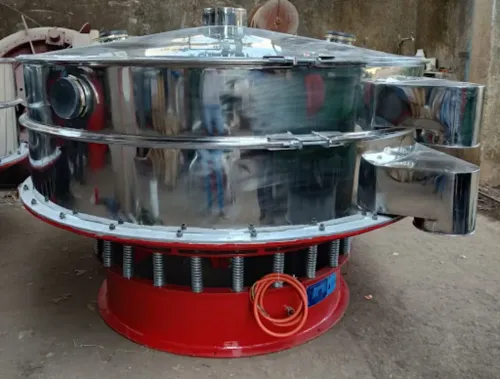
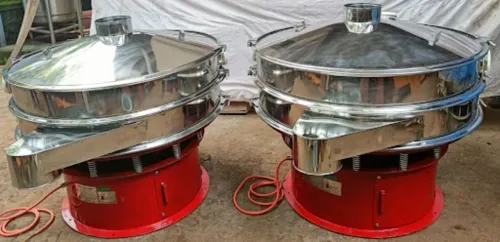
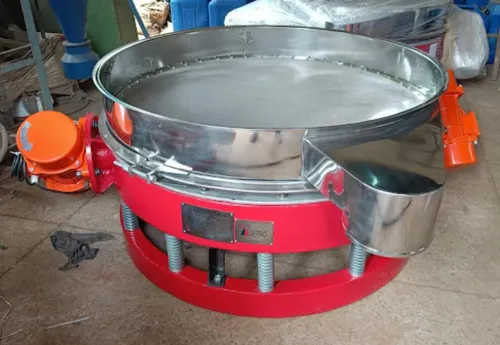
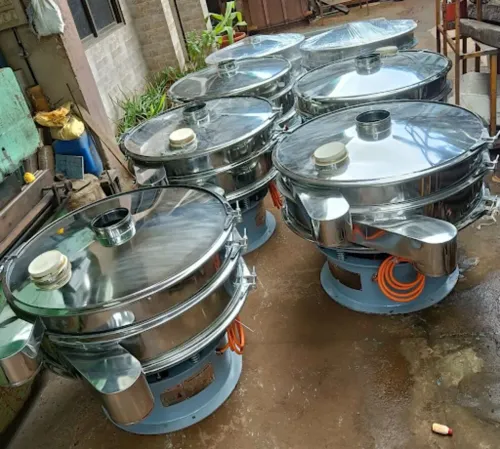
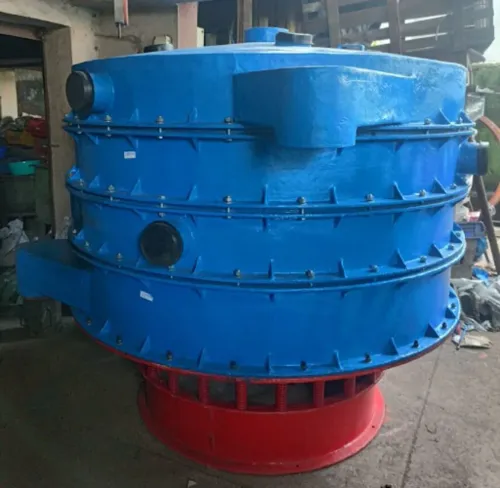
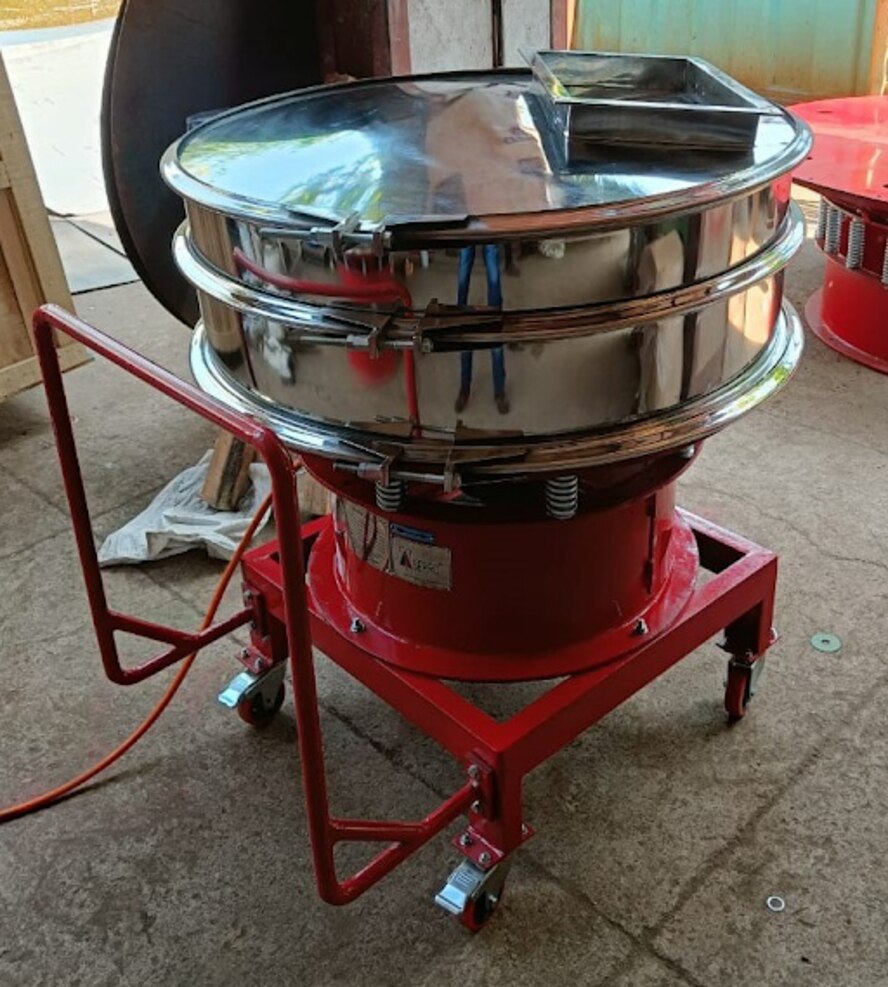
A vibrating screen is preferable when you need controlled separation of oxalic acid crystals, multiple fractions, or continuous operation with an enclosed deck. It handles a broad feed-rate range and lets you change deck aperture and residence time; a useful vibrating screen comparison must also account for dust containment, breakage, blinding, and cleanability.
| Option | Strength | Choose it when |
|---|---|---|
| Vibrating screen | Multiple decks, adjustable vibration, enclosed continuous screening | You need one or more defined fractions and representative-batch validation |
| Rotary sifter | Gentle tumbling and compact screening | The feed is free-flowing, the duty is modest, and limited classification is acceptable |
| Centrifugal sifter | High throughput in a compact housing | Fine powder needs forced passage through the mesh, and particle breakage is controlled |
| Static sieve | Simple, low-cost separation | You need occasional batch checks, not production-rate screening |
| Air classifier | Separation by aerodynamic behaviour | Particle density or shape matters more than a sharp mesh cut; it is not a substitute for screening |
Require the supplier to prove the selected machine with your actual commercial grade, whether anhydrous oxalic acid or oxalic acid dihydrate. Ask for these checks:
- Run a representative lot at minimum, normal, and maximum feed rates.
- Weigh feed, oversize, and undersize, then verify each fraction with standardized test sieves.
- Record product temperature at the screen deck, not only the heater setpoint.
- Demonstrate sealed connections, controlled negative pressure, and grounding continuity across decks, covers, hoses, ducting, and removable parts.
- For European hazardous areas, separate ATEX equipment certification under Directive 2014/34/EU from workplace zoning under Directive 1999/92/EC; demand the category and protection method for your dust zone.
Separation Engineers (India) can be included in the trial comparison when its proposed vibrating machine is tested against the same feed, aperture, throughput, and acceptance limits.
Related products
 | Vibrating Screen Separation Engineers India presents the Oxalic Acid Screening Machine, a precision-engineered solution designed for efficient separation and grading... View product → |
 | Vibrating Screen Chemical Additives Screening Machine Separation Engineers India introduces the Chemical Additives Screening Machine, designed specifically for efficient and precise screening of chemical... View product → |
Frequently asked questions
What screening duty should you define before comparing oxalic acid screening machines?
State the oxalic acid form, CAS number, feed size distribution, target fractions, throughput, operating hours, and acceptable oversize or undersize limits.
How do you choose the screen aperture for oxalic acid?
Set the aperture from the required product specification and verify the result with a representative sample, because aperture size alone does not define separation performance.
What operating problems can affect oxalic acid screening?
Moisture, heat, crystal breakage, screen blinding, and static can reduce throughput or change the product, so assess each during testing and machine selection.
What should you check for compatibility, dust containment, and cleaning?
Request material-of-construction details, sealed dust control, suitable gaskets and finishes, access for inspection, and a documented cleaning method that prevents cross-contamination.
How should you compare screening technologies and supplier proposals?
Compare vibrating, rotary, and other suitable technologies using tested throughput, separation efficiency, power, noise, maintenance, dust control, and results from your material.