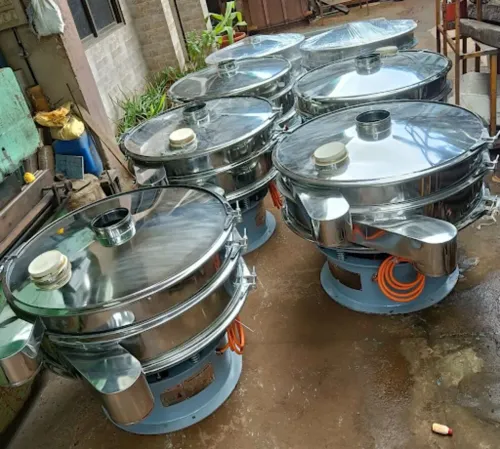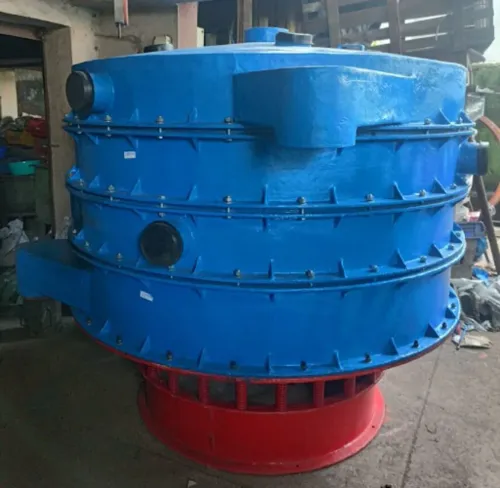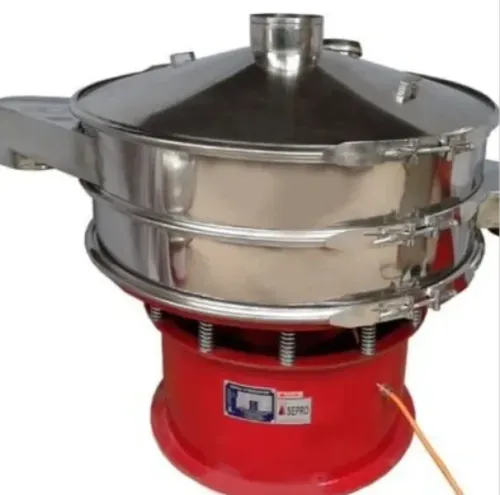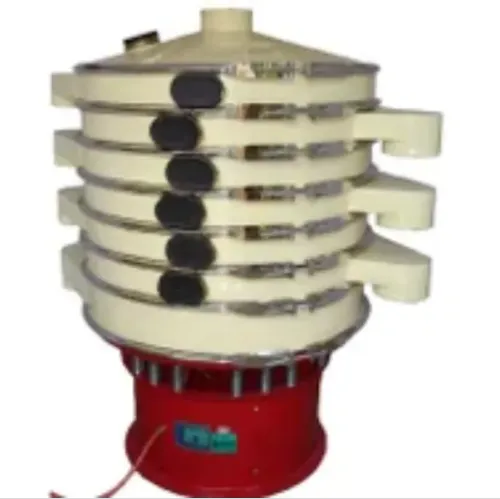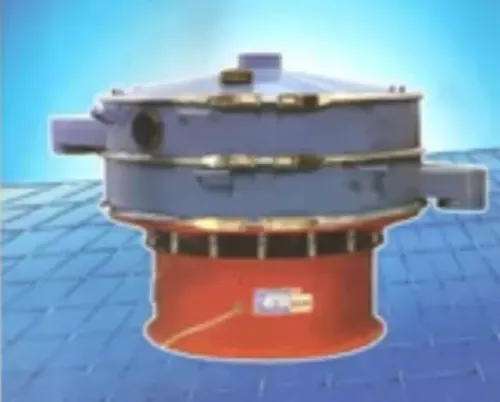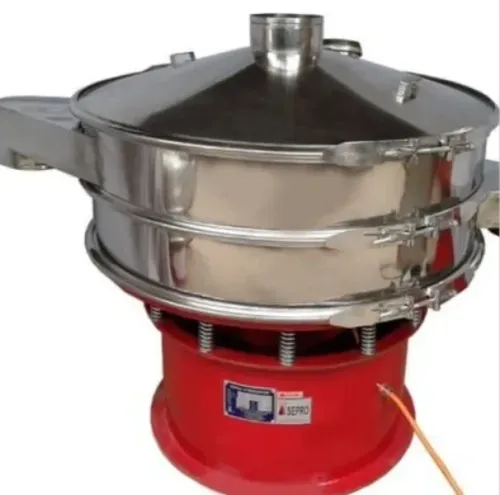
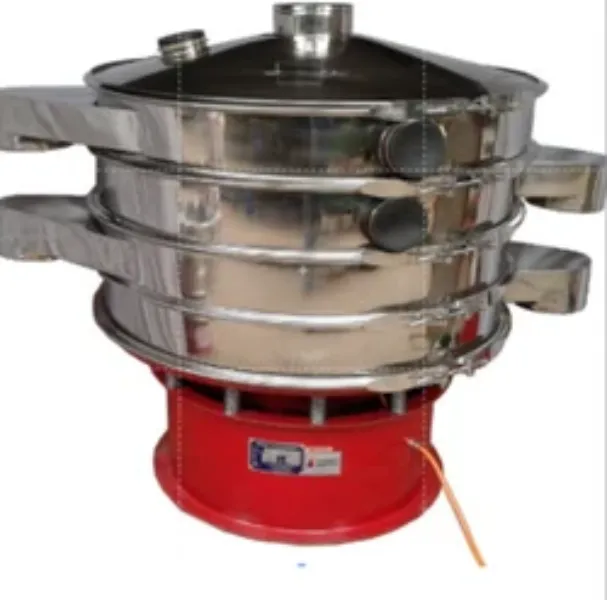
Screening equipment can look similar in photographs and specification sheets, yet performance depends on how well the system matches the actual material being processed.
An Industrial Vibro Sifter may be used across food, pharmaceutical, chemical, powder-processing, and manufacturing applications to separate particles, remove oversized material, classify products, and support consistent downstream processing.
Procurement teams in Navi Mumbai and Maharashtra should therefore evaluate the application before focusing on equipment price alone.
Define the Industrial Vibro Sifter Duty First
Begin by documenting what the sifter needs to accomplish.
Is the objective to remove occasional oversized particles? Is accurate particle classification required? Does the process need multiple fractions? Is the sifter positioned before packing, blending, processing, or another critical stage?
A useful application brief should include:
- Product name
- Particle characteristics
- Required mesh
- Desired throughput
- Bulk density
- Moisture condition
- Number of separations
- Operating hours
- Cleaning expectations
Without these details, equipment comparisons can become misleading.
Check Product Contact Requirements
Construction requirements differ between industries.
Food and pharmaceutical applications can demand particular attention to hygiene, cleaning accessibility, product-contact surfaces, and contamination control. Chemical applications may introduce material compatibility considerations.
The equipment specification should therefore reflect the product and plant environment rather than relying on a standard configuration for every application.
Examine Screen Access
Screens are working components and may require inspection, cleaning, or replacement.
A design that makes these activities unnecessarily difficult can increase maintenance time.
Plant engineers should examine how operators access the screen, how it is secured, how long a typical change takes, and whether the procedure fits existing maintenance practices.
Discuss Realistic Throughput
Throughput is not determined by motor power alone.
Material flowability, mesh size, screen area, feed consistency, particle distribution, and product condition can all influence capacity.
Ask how the stated production rate relates to the actual material being processed.
For unfamiliar products, sample-based evaluation can provide valuable information before final equipment selection.
Consider Integration With Existing Equipment
The sifter must physically and operationally fit the production line.
Check inlet height, discharge positions, available floor space, feeding arrangement, collection system, electrical requirements, and access for maintenance.
A machine that performs well independently can still create operational problems if integration is overlooked.
Compare Long Term Practicality
Purchase price is only one component of equipment value.
Maintenance requirements, screen life, cleaning time, production interruptions, spare availability, and ease of operation can influence total operating cost.
A slightly different equipment configuration may provide better long-term value if it reduces recurring production difficulties.
Manufacturing companies in Navi Mumbai can discuss application-specific screening requirements with Separation Engineers when evaluating equipment for industrial processing lines.
Before selecting an Industrial Vibro Sifter, procurement professionals should have clear answers about material behaviour, required output, mesh specification, construction, maintenance access, installation space, and expected operating conditions.
That information creates a stronger basis for comparing equipment on process suitability rather than relying on price and basic specifications alone.
Keywords