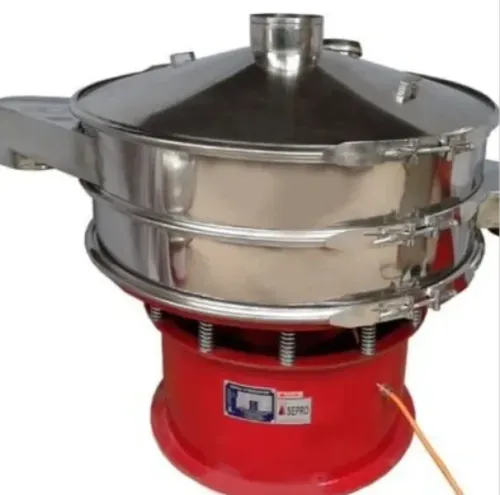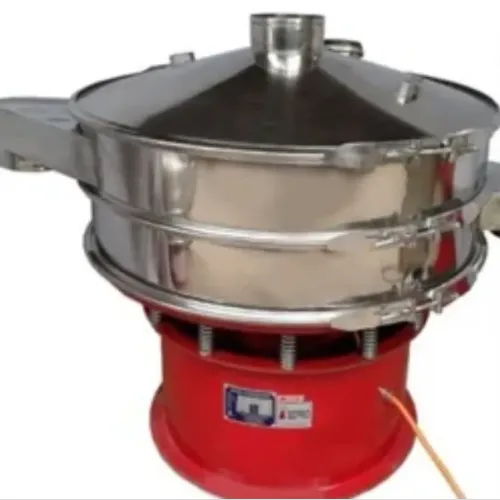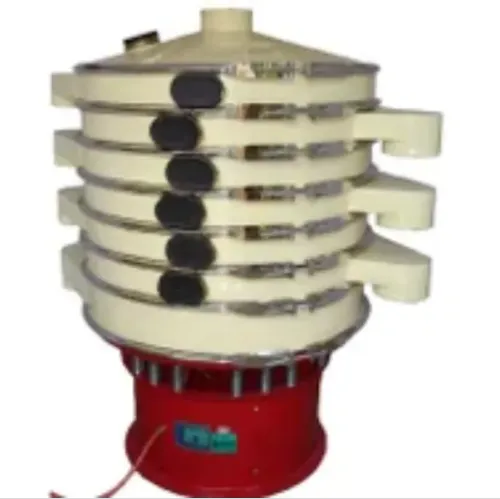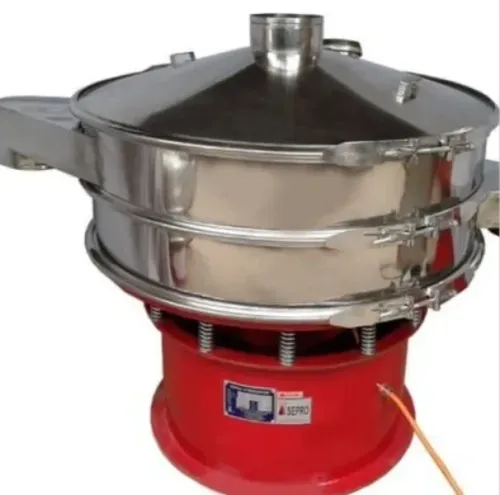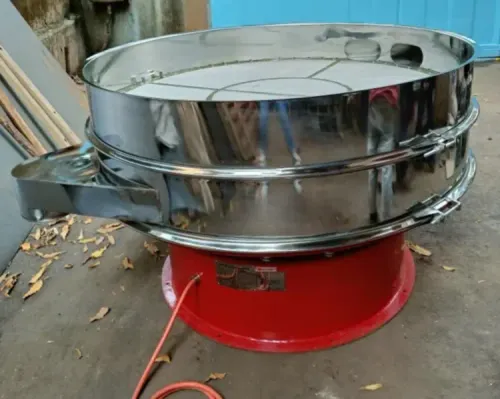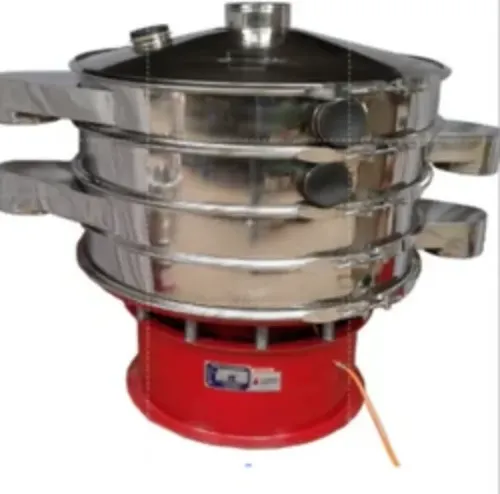
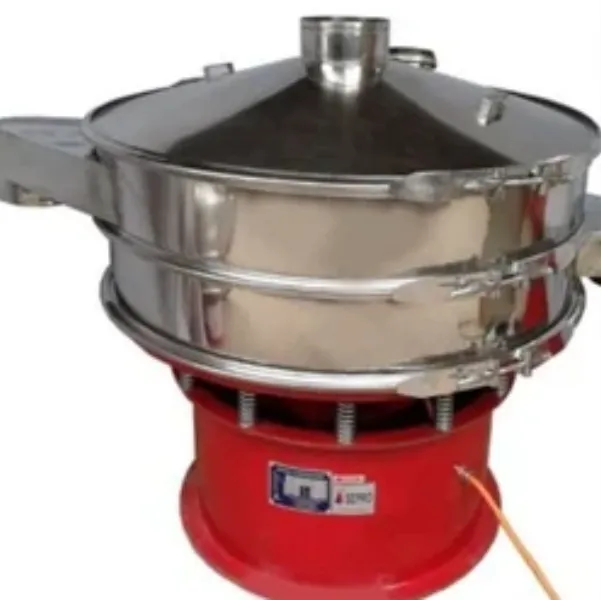
Refined wheat flour needs consistency before it reaches mixing, blending, packing, or further food production. Even when milling is well controlled, flour may contain compacted lumps, oversized particles, or material that needs separation before the next processing stage.
A Maida Screening Machine provides a controlled method of sieving flour to achieve the required particle consistency. It can become an important part of flour mills, bakeries, food ingredient facilities, and industrial food production lines.
For businesses in Navi Mumbai and Maharashtra, where food manufacturing ranges from small processing facilities to high-volume industrial plants, screening requirements can vary considerably with production scale.
What a Maida Screening Machine Removes
Screening is primarily a particle-separation process.
Flour passes across a selected screening surface. Material within the required size range passes through, while larger particles and lumps are retained.
This can help processors achieve:
- More consistent flour texture
- Separation of compacted material
- Better control before blending
- Improved downstream process stability
- Consistent feed into packing equipment
- Easier identification of unwanted oversized material
Screening should complement good milling and handling practices rather than compensate for poorly controlled upstream production.
Flour Behaviour Changes With Conditions
Maida is a fine powder, and its flow characteristics can change with humidity, storage, temperature, and handling.
Material that has absorbed moisture may form lumps. Powder stored under unsuitable conditions may behave differently during screening compared with freshly milled flour.
Plant teams should therefore investigate changes in material behaviour when screening performance suddenly declines.
Common factors include excessive feed, changes in flour condition, screen blockage, damaged mesh, and inconsistent upstream supply.
Hygiene Should Shape Equipment Decisions
Food-contact equipment needs to support effective cleaning.
When assessing a screening system, food processors should consider whether operators can access areas where flour may accumulate. Screen replacement and cleaning procedures should also be practical within the facility's hygiene programme.
Important considerations include:
- Product-contact construction
- Accessibility during cleaning
- Screen removal procedure
- Dust containment
- Discharge arrangement
- Changeover requirements
The goal is to integrate screening into the plant's existing food-safety practices rather than treat it as a separate operation.
Correct Screen Selection Supports Consistency
The required mesh depends on the finished flour specification.
An excessively restrictive mesh may reduce throughput without providing a useful processing benefit. A mesh that is too open may allow particles outside the required specification to continue downstream.
This is why equipment selection should begin with the desired flour characteristics and production conditions.
Signs the Screening Stage Needs Attention
Production teams should investigate when they notice recurring lumps after screening, unexpected changes in throughput, excessive product retention, visible screen damage, or inconsistent finished flour.
These symptoms can result from several causes, including material condition and operating practices.
Food processors in Navi Mumbai, Maharashtra, can improve equipment decisions by documenting the required flour grade, typical batch size, production rate, cleaning procedure, and upstream material condition.
A well-planned Maida Screening Machine is ultimately about process control. By separating unwanted oversized material and supporting consistent particle size, the screening stage can help create a more predictable flour-processing workflow from milling through final production.
Keywords