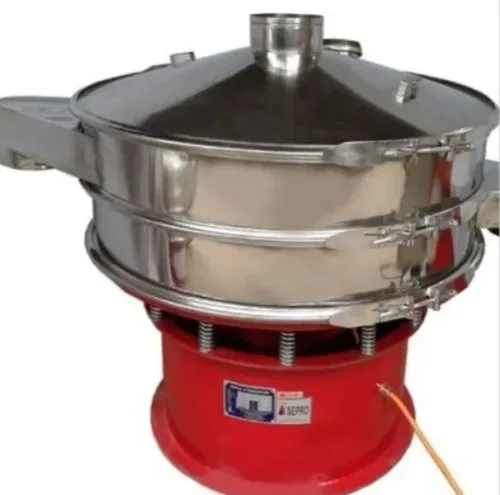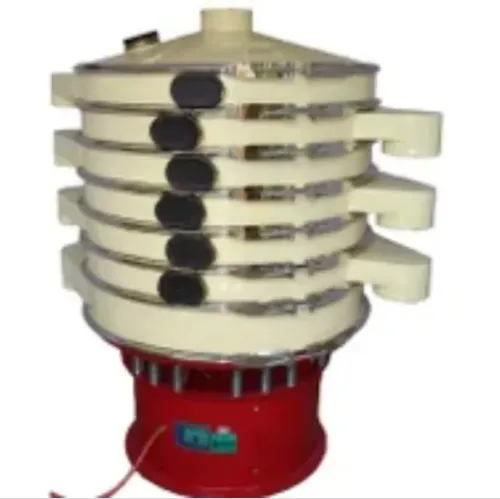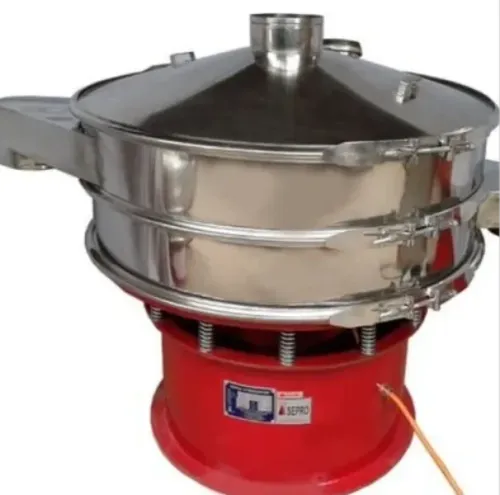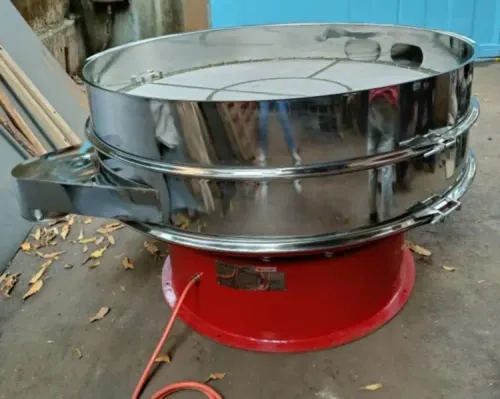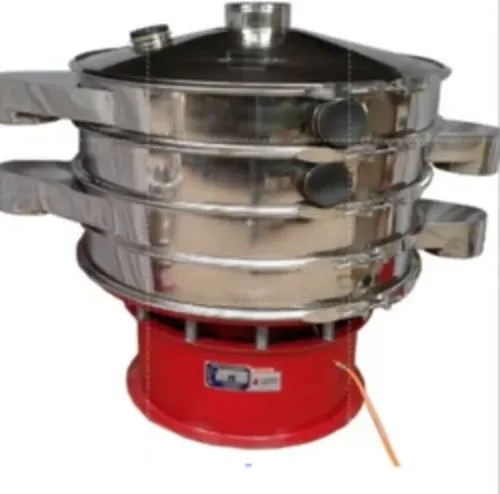
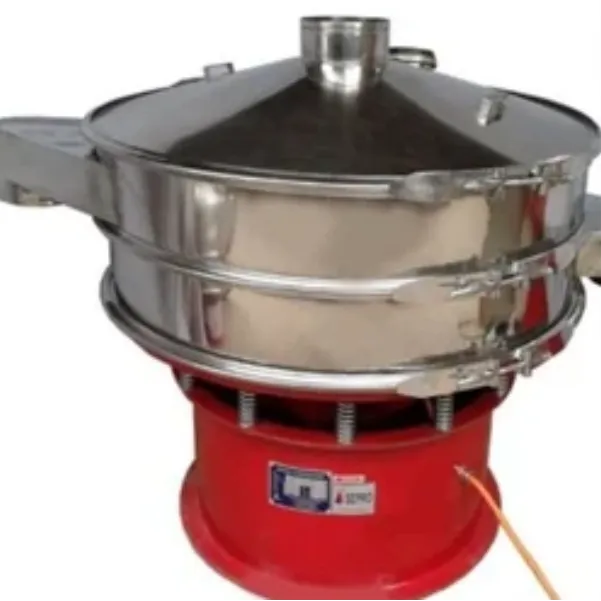
Material consistency has a direct impact on production quality, downstream processing, and overall plant efficiency. When powders, granules, particles, or mixed materials contain unwanted oversize matter, lumps, or inconsistent particle sizes, manufacturers need a dependable screening stage before the material moves further through production. A Vibratory Screening Machine is widely used for this purpose across process-driven industries.
The equipment works by applying controlled vibration to a screening surface. Material fed onto the screen moves across the mesh while particles smaller than the selected aperture pass through. Larger particles remain above the screen and are discharged separately. This relatively straightforward principle can support accurate separation without adding unnecessary complexity to the production line.
Why Consistent Screening Matters
Screening is not simply about removing visible contaminants. Particle size can influence blending, coating, dissolution, packaging, handling, and the performance of subsequent processing equipment.
Manufacturers commonly use vibratory screening for tasks such as:
- Removing oversized particles from powders
- Separating unwanted foreign material
- Breaking up agglomerated material before further processing
- Classifying products into selected particle ranges
- Screening material before packing
- Recovering usable material from mixed streams
The correct screen mesh depends on the characteristics of the product and the required output. A very fine powder, for instance, behaves differently from coarse granules or mineral particles. Moisture, bulk density, flowability, particle shape, and throughput also influence screening performance.
Screening Needs Differ Across Industries
Pharmaceutical manufacturers may require controlled screening of powders before blending or processing. Food manufacturers can use screening to improve ingredient consistency and remove unwanted oversized material. Chemical processors often deal with powders and crystals that need classification before the next manufacturing stage.
Mineral and engineering industries can have different requirements again, particularly when handling abrasive or comparatively heavy materials.
For production units in Navi Mumbai and other industrial regions of Maharashtra, equipment selection should therefore begin with the material rather than simply with the machine size.
Mesh Selection Has a Major Role
Using an unsuitable mesh can reduce the effectiveness of even a well-designed screening system. A mesh that is too fine for the material may restrict flow and reduce throughput. A screen opening that is too large may allow undesirable particles into the accepted product.
Before selecting a screen, manufacturers should establish:
- Feed particle size
- Desired final particle range
- Required production capacity
- Material flow characteristics
- Moisture content
- Number of fractions required
- Cleaning requirements
These details help define a screening configuration suited to the actual process.
Equipment Integration Also Matters
A screening machine rarely operates in isolation. It may receive material from a hopper, mixer, conveyor, bag dumping station, processing vessel, or another piece of production equipment.
Its discharge may connect with containers, conveyors, packing equipment, or subsequent processing stages. Feed consistency, available installation space, discharge height, and access for maintenance should therefore be evaluated before installation.
Poor integration can lead to unnecessary manual handling even when the screening itself performs effectively.
Better Screening Begins With Process Understanding
The most suitable screening arrangement is one that achieves the required separation while fitting naturally into the wider manufacturing process. Material behaviour, capacity, mesh selection, equipment layout, cleaning practices, and downstream requirements all need consideration.
Separation Engineers works with industrial screening and separation applications for different processing requirements. For manufacturers assessing a Vibratory Screening Machine in Navi Mumbai or elsewhere in Maharashtra, defining the material specifications and desired output first can make equipment evaluation considerably more practical.
Keywords