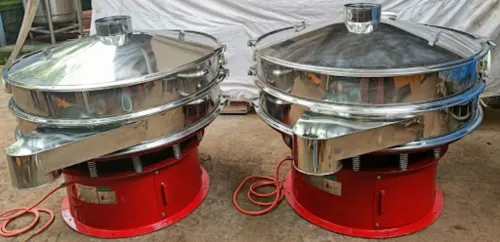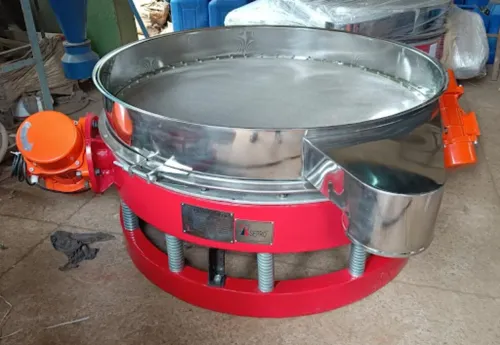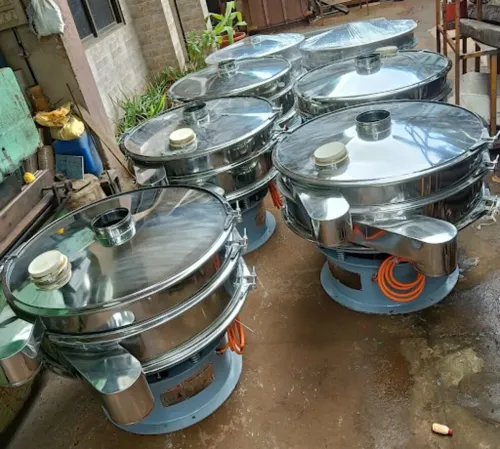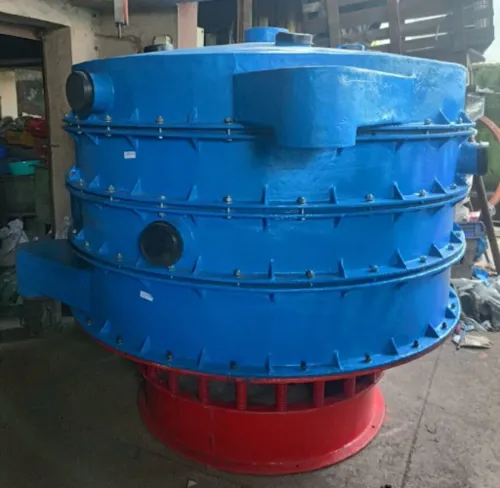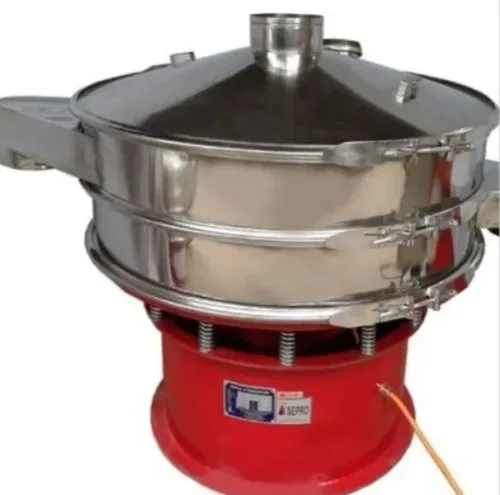
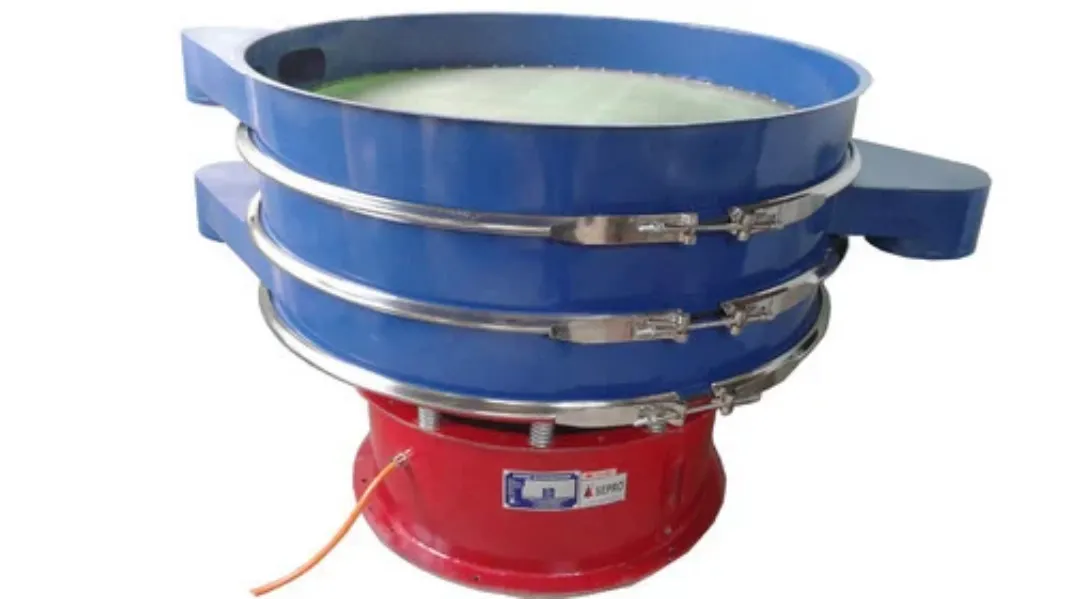
Uniform particle size can influence almost every stage of a manufacturing process. It affects material flow, blending behaviour, packing consistency, processing time, and sometimes the appearance of the finished product. A Vibratory Grading Machine helps manufacturers separate mixed material into defined particle-size ranges using selected screening surfaces.
Grading is especially useful when a production stream contains several usable particle fractions rather than simply acceptable material and waste.
Screening and Grading Serve Different Goals
Screening is often associated with removing unwanted oversize material or contaminants. Grading focuses more specifically on dividing material into defined size categories.
A manufacturer may receive a feed containing fine, medium, and coarse particles. Instead of treating this as one mixed stream, a grading process can separate each size range for a different production requirement.
This approach can support:
- Product standardization
- Better control over blending
- Separation of usable grades
- Recovery of material for reprocessing
- More consistent packing
- Improved downstream process control
The number of grades required determines the screening arrangement.
Several Variables Affect Grading Accuracy
Mesh size is an obvious factor, but it is not the only one.
Feed rate can have a significant impact. If too much material reaches the screen at once, particles may not have sufficient opportunity to contact the screening surface.
Material properties matter as well. Moist or sticky products can behave differently from dry free-flowing granules. Irregular particle shapes may pass through apertures differently from rounded particles.
When assessing a grading application, manufacturers should document the material rather than relying on a product name alone.
Useful information includes particle-size distribution, bulk density, moisture, desired capacity, number of fractions, and acceptable tolerance.
Stable Feeding Supports Better Results
Consistent feeding helps maintain predictable grading. Sudden surges can temporarily overload the screen, while insufficient feed may reduce equipment utilization.
The feeding system should therefore complement the grading machine.
Depending on the process, material may enter through a hopper, conveyor, feeder, elevator, or another production machine. The objective is to distribute material across the screening area in a controlled manner.
Maintenance Protects Screening Performance
Screens are working components and require routine inspection. Wear, damage, looseness, or aperture blockage can affect classification.
Operators should establish checks appropriate to the material and operating environment. Cleaning intervals may need to be shorter for fine or difficult materials than for free-flowing coarse products.
Production teams should also watch for changes in output. A sudden increase in oversized particles within a fine fraction can indicate a screen-related issue that deserves investigation.
Grading Equipment Should Match the Process
Industrial clusters around Navi Mumbai and other manufacturing regions in Maharashtra handle a broad range of powders, granules, chemicals, minerals, food products, and engineering materials. No single grading configuration is suitable for every application.
A Vibratory Grading Machine should therefore be selected according to the required particle fractions, material characteristics, throughput, available space, and surrounding production equipment.
Separation Engineers works with screening and separation applications for process industries. When manufacturers begin with representative material data and clearly defined grade specifications, equipment selection becomes more focused and the grading stage can be integrated more effectively into everyday production.
Keywords