

Steel shot used in blasting and surface-treatment operations can gradually become mixed with undersized particles, broken media, scale, dust, and other unwanted material. Screening helps separate usable shot from undesirable fractions, but the quality of separation depends on how the process is designed and operated.
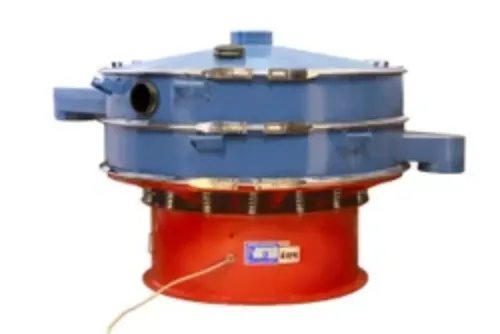
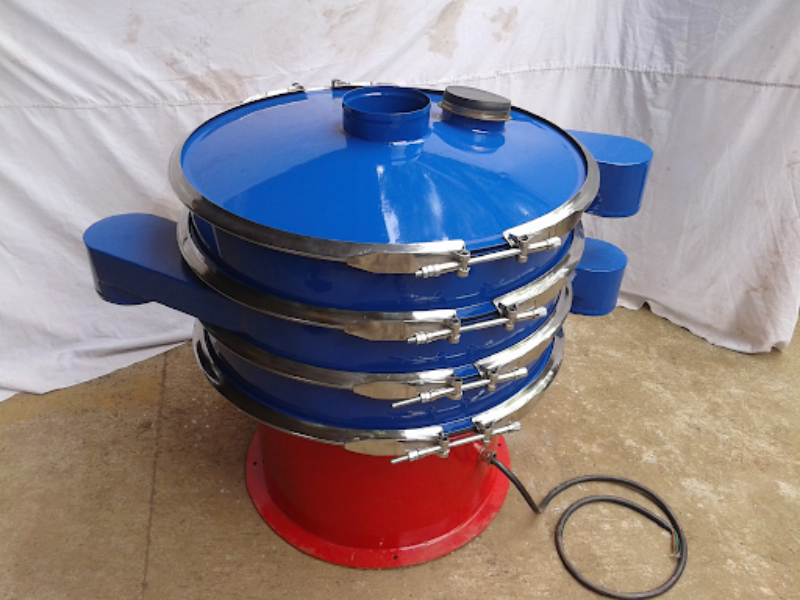
A Steel Shot Screening Machine can support media classification and recovery when its screen configuration and operating conditions match the actual material.
Several avoidable mistakes can reduce screening effectiveness.
Choosing Mesh Without Checking Actual Shot Size
Screen selection should reflect the usable shot specification and the unwanted fraction.
Selecting mesh based on assumptions can result in good media being rejected or undesirable particles remaining with the reusable fraction.
Representative samples should be examined before establishing the screening cut.
Ignoring Changes in Used Media
Fresh steel shot and media recovered after repeated use may not have identical characteristics.
Used material can contain fractured particles, contaminants, fines, and irregular shapes. This changes the screening load and may influence how efficiently material moves across the screen.
Equipment evaluation should therefore use realistic process material where possible.
Overfeeding the Screening Surface
Pushing more material onto the screen does not always improve productivity.
Excessive loading can create a deep material bed that makes classification more difficult. Some particles may leave through the wrong discharge because they did not have sufficient opportunity to reach the screen surface.
A controlled feed rate can improve separation consistency.
Neglecting Screen Inspection
Steel shot is an abrasive material. Screens and other product-contact components should consequently be inspected according to operating conditions.
Wear, damaged mesh, loose components, and altered openings can affect separation accuracy.
Maintenance teams should establish inspection intervals based on actual operating experience rather than waiting for a noticeable quality problem.
Treating Screening as an Isolated Operation
The performance of a screening system can be influenced by how material enters and leaves it.
Irregular feeding, poorly positioned discharge collection, or restricted material flow can reduce the effectiveness of an otherwise suitable machine.
The entire media-handling path should therefore be reviewed.
Focusing Only on Initial Equipment Cost
Purchase price is important, but recurring operating factors can have greater long-term impact.
Consider screen life, inspection requirements, maintenance accessibility, production interruptions, media recovery, and the consequences of poor classification.
If effective screening allows usable shot to be separated from unwanted material more consistently, the value should be assessed within the complete blasting operation.
Engineering and manufacturing facilities in Navi Mumbai and across Maharashtra frequently operate processes where abrasive media management affects both production efficiency and surface-treatment consistency.
Separation Engineers provide industrial screening solutions that can be configured according to material and separation requirements. For steel shot applications, useful selection information includes media size, contaminant profile, required fractions, throughput, and operating conditions.
A reliable screening process is created through correct mesh selection, controlled feeding, regular inspection, and realistic evaluation of used material. Avoiding these common mistakes helps manufacturers treat steel shot classification as a measurable process rather than an occasional maintenance activity.