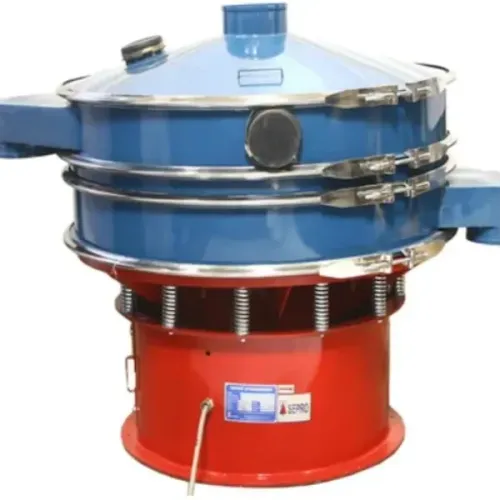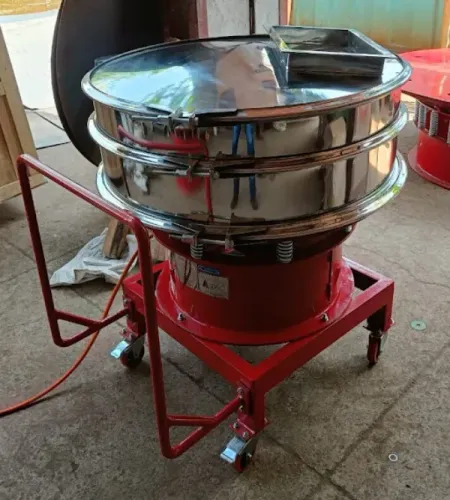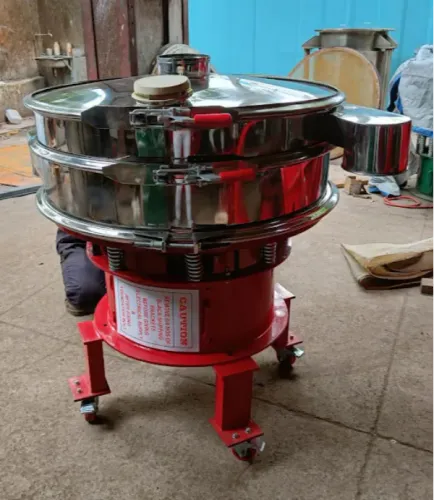


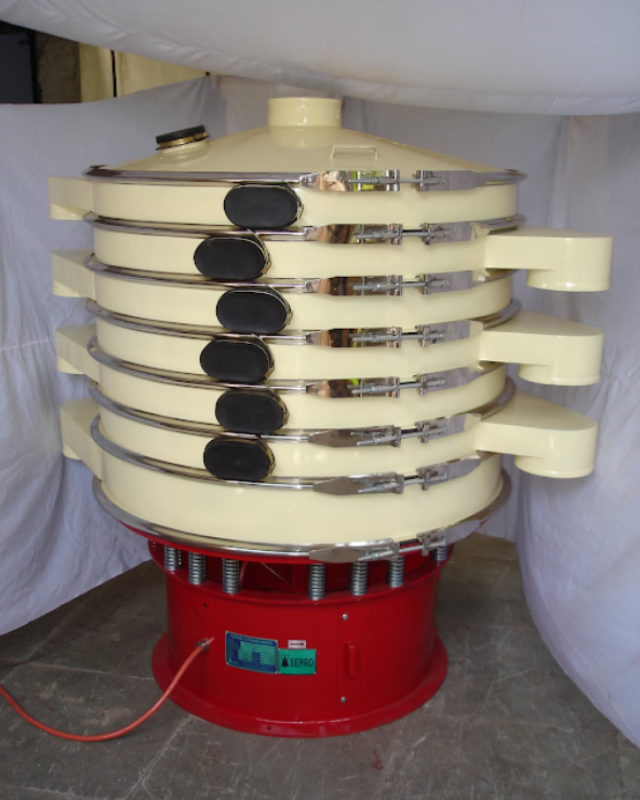
Round Tea Sorting Machines play a vital role in maintaining the quality and consistency of processed tea. However, even well-designed equipment can experience performance issues if machine settings, maintenance practices, or operating conditions are overlooked.
Understanding the most common screening challenges helps tea manufacturers maintain productivity while ensuring accurate grading and minimal product loss.
Why Screening Performance Matters
Accurate sorting directly affects product quality, packaging consistency, and customer satisfaction. Even minor screening problems can lead to mixed grades, excessive dust, or uneven product appearance.
Routine monitoring helps identify issues before they affect production efficiency.
Challenge 1: Mesh Blockage
Fine tea particles and dust may gradually block the screen openings.
Possible causes include:
- High moisture content
- Improper cleaning
- Excessively fine material
- Worn screening mesh
Regular cleaning and timely mesh replacement help restore proper screening performance.
Challenge 2: Uneven Material Distribution
If tea does not spread evenly across the screen surface, grading accuracy may decrease.
This problem can occur because of:
- Incorrect feed rate
- Improper vibration settings
- Uneven machine installation
Maintaining consistent material flow significantly improves screening efficiency.
Challenge 3: Reduced Screening Accuracy
Mixed tea grades often indicate declining screening performance.
Potential reasons include:
- Damaged mesh
- Incorrect mesh selection
- Excessive production load
- Component wear
Routine inspection helps identify these issues before production quality is affected.
Challenge 4: Excessive Machine Vibration
While vibration drives the screening process, excessive movement can reduce machine life.
Manufacturers should periodically inspect:
- Motor alignment
- Springs
- Fasteners
- Base supports
- Rotating components
Preventive maintenance reduces unnecessary wear and improves operational stability.
Challenge 5: Increased Downtime
Unexpected stoppages interrupt production schedules and reduce plant efficiency.
Some preventive measures include:
- Establish regular maintenance intervals.
- Replace worn components proactively.
- Maintain adequate spare parts inventory.
- Train operators on daily inspections.
- Monitor machine performance consistently.
These practices help minimize unexpected breakdowns.
Improving Long-Term Performance
Tea processing facilities can improve screening efficiency by:
- Using suitable mesh sizes
- Controlling feed rates
- Cleaning equipment regularly
- Following manufacturer maintenance recommendations
- Monitoring vibration performance
Small operational improvements often deliver significant gains in productivity and product consistency.
Building a Reliable Screening Process
Efficient tea sorting depends on both quality equipment and proper maintenance practices. A well-maintained Round Tea Sorting Machine supports accurate grading, reduces waste, and improves packaging quality while helping manufacturers meet customer expectations.
Tea processors in Navi Mumbai and other industrial regions often seek equipment manufacturers that understand industry-specific screening requirements. Separation Engineers provides sorting solutions engineered for dependable performance, enabling tea processing facilities to maintain consistent quality and reliable production over the long term.