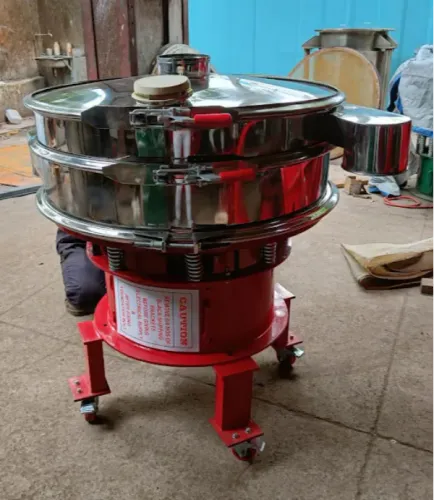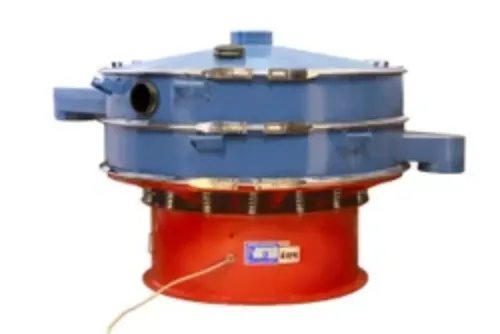


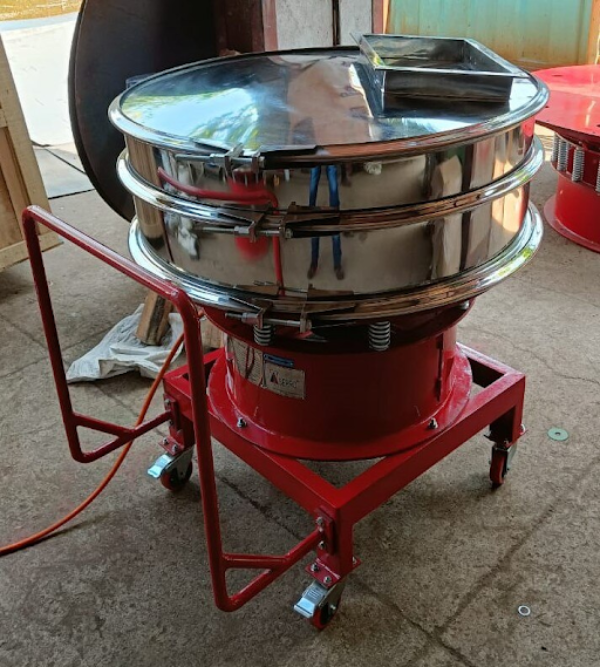
Powder-processing operations require careful control of particle size, material flow, contamination, and equipment compatibility. When oxalic acid or a related crystalline material requires screening as part of a manufacturing process, an Oxalic Acid Screening Machine should be evaluated according to the physical characteristics of the material and the required output specification.
Machine selection should begin with application data rather than a generic screening capacity.
Define Why Screening Is Needed
Different plants can screen the same material for different reasons.
One operation may need to remove oversized particles before packing. Another may need to classify material into a specified particle range. A production line may also use screening before another processing stage to improve feed consistency.
Clearly defining the purpose determines how the equipment should be configured.
Document the Feed Material
A useful equipment assessment requires more than the material name.
Manufacturers should provide:
- Typical feed particle size
- Maximum particle size
- Required final particle range
- Bulk density
- Moisture characteristics
- Expected throughput
- Batch size
- Number of required fractions
- Feed method
If material characteristics vary between batches, the expected range should also be discussed.
Review Product Contact Requirements
Chemical processing equipment should be evaluated for compatibility with the material and operating environment.
The manufacturer should review suitable product-contact construction based on the specific application, material condition, cleaning method, and plant requirements.
Dust control and containment may also require attention when dry powders are transferred, screened, and discharged.
The screening machine should therefore be assessed as one element within the complete powder-handling system.
Determine the Right Screening Arrangement
A single screening deck may be sufficient when the objective is straightforward oversize removal. Multiple classifications can require a different arrangement.
Manufacturers should avoid specifying more screening stages than the process actually needs. Additional complexity should provide a clear production benefit.
The selected mesh should also reflect the required product specification and practical behaviour of the material during screening.
Plan Feeding and Discharge
Stable material feeding helps the screen operate consistently.
Large intermittent dumps can overload the screening surface, while controlled feeding generally makes better use of available screening area. The upstream feeding arrangement should therefore be discussed during equipment selection.
Discharge handling deserves equal attention. Accepted material and rejected oversize need appropriate collection or transfer arrangements.
For chemical production units in Navi Mumbai and other manufacturing regions of Maharashtra, existing plant space and material-transfer systems can influence the final configuration significantly.
Ask the Right Questions Before Finalizing Equipment
A useful supplier discussion should cover actual process conditions rather than only price and machine dimensions.
Manufacturers can ask how the proposed equipment addresses capacity, screen selection, product-contact construction, cleaning, screen access, discharge, installation space, and maintenance.
Where representative material trials are feasible, they can provide additional evidence for the proposed configuration.
Separation Engineers works with industrial screening and separation requirements for process industries. Companies considering an Oxalic Acid Screening Machine can approach the evaluation with material specifications, required throughput, desired particle range, and plant-layout information already prepared.
For facilities in Navi Mumbai and across Maharashtra, this application-focused selection process can reduce uncertainty during equipment planning and help ensure that the screening system is matched to real powder-processing conditions rather than chosen solely from general equipment specifications.