

Surface condition influences much more than the appearance of a manufactured component. Burrs can interfere with assembly, sharp edges can create handling concerns, scale can affect coating, and inconsistent surfaces can make subsequent production operations more difficult.
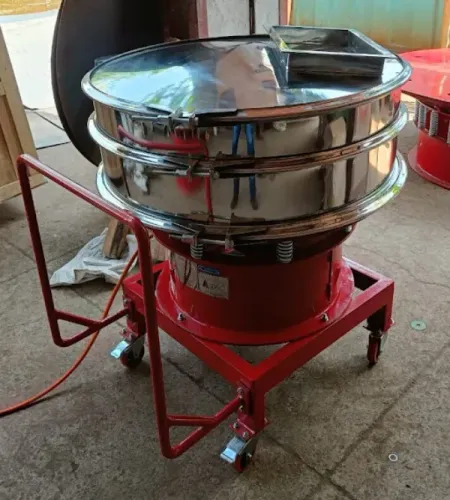
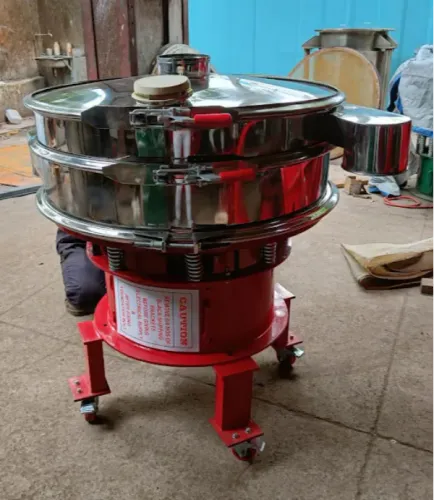
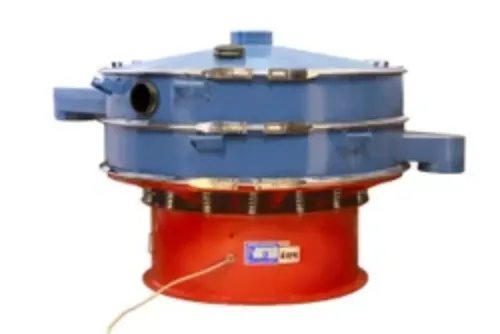
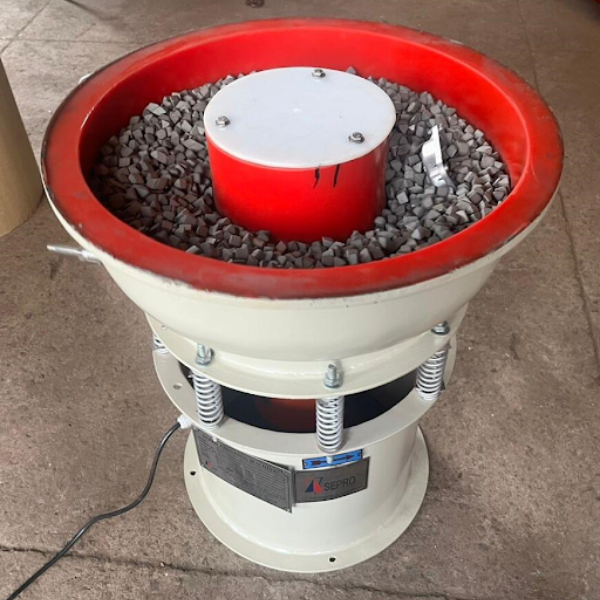
A Metal Surface Finishing Machine helps manufacturers perform defined finishing operations under repeatable processing conditions. Depending on the application, the equipment can be used for deburring, smoothing, edge conditioning, cleaning, descaling, polishing, or preparing parts for another manufacturing stage.
Why Surface Finishing Is Part of Production Quality
Machining and fabrication processes naturally leave marks and irregularities. Drilling may produce burrs around holes. Cutting can create sharp edges. Casting may leave rough surfaces, while handling and storage can contribute to oxidation.
Leaving these conditions untreated can create problems later.
For example, a burr may prevent two components from fitting correctly. Rough edges may interfere with coating uniformity. Surface contamination can affect finishing processes performed afterward.
Surface finishing therefore needs to be considered as part of the overall manufacturing sequence rather than merely as a cosmetic operation.
Different Components Need Different Finishing Actions
There is no universal finishing cycle suitable for every metal component.
A robust steel component requiring substantial burr removal may tolerate relatively aggressive processing. A precision component with delicate edges may need considerably gentler treatment.
Manufacturers should evaluate:
- Component material
- Part geometry
- Existing surface condition
- Burr size and location
- Dimensional sensitivity
- Required final finish
- Production quantity
These factors determine the appropriate finishing method and operating conditions.
Improving Repeatability Across Production Batches
One challenge with extensive manual finishing is variation. Operators may apply different pressure, spend different amounts of time on each component, or interpret acceptable surface quality differently.
Mechanized finishing provides controlled processing conditions that can reduce this variation when the process has been properly developed.
Production engineers can establish operating parameters for recurring components and monitor whether batches achieve the required result. This can make quality control more systematic, particularly when production volumes grow.
Reducing Unnecessary Manual Handling
Manual finishing remains useful for certain specialized parts and low-volume jobs. However, repetitive deburring or polishing of hundreds of similar components can consume considerable operator time.
A suitable finishing machine can process multiple components within a defined cycle, allowing labour to be allocated to inspection, setup, assembly, and other higher-value activities.
This consideration is relevant for engineering and manufacturing businesses in Navi Mumbai, where companies frequently handle components for automotive, fabrication, precision engineering, electrical, and general industrial applications.
Matching Equipment With the Actual Component
Machine selection should begin with a sample component and clearly defined finishing objective.
Production teams should know whether the priority is burr removal, smoothing, cleaning, edge rounding, polishing, or preparation for a downstream operation. Cycle expectations and batch quantities should also be considered.
Separation Engineers provides industrial equipment for processing applications including surface finishing. For manufacturers in Maharashtra, evaluating the component, process objective, and production requirement together can lead to a more practical equipment decision.
Effective surface finishing is not about applying the most aggressive process available. It is about achieving the required component condition consistently while controlling processing time, part integrity, and production effort.