

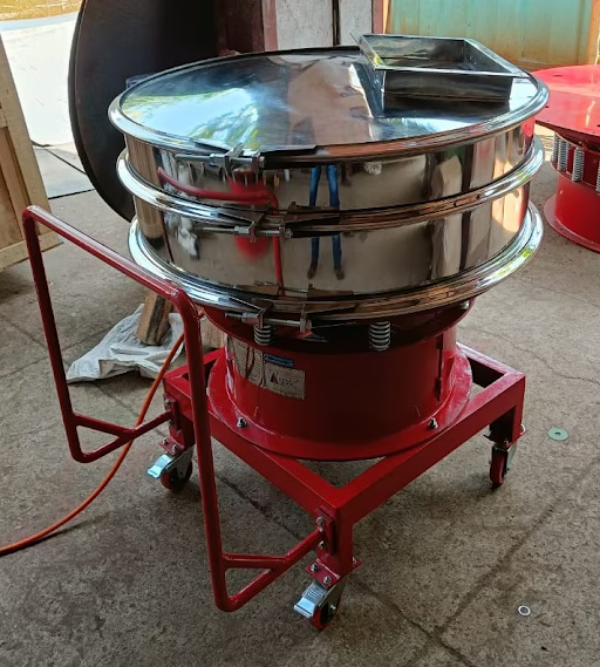
Oxalic acid used in industrial applications may require controlled screening to remove oversized material, agglomerates, or unwanted particles before packaging, transfer, blending, or subsequent processing. In such applications, screening quality can influence material consistency and downstream handling.
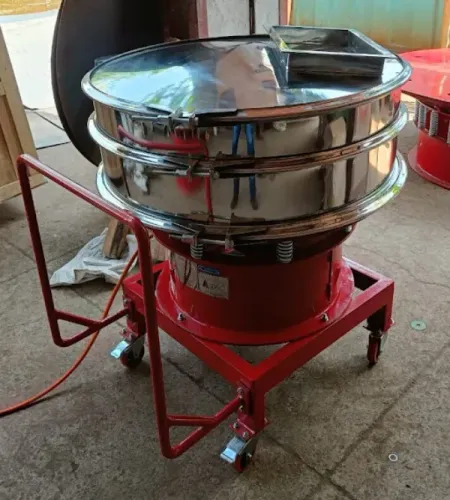
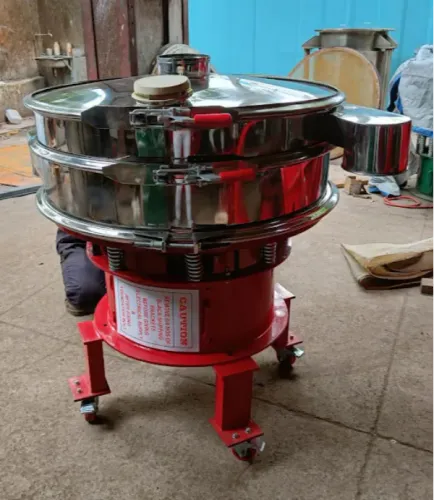
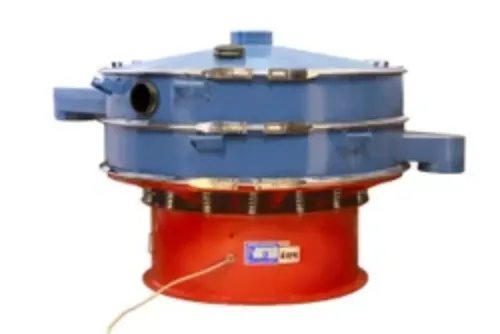
An Oxalic Acid Screening Machine provides a mechanical method for separating material according to the required particle size. Instead of relying solely on visual inspection, manufacturers can introduce a defined screening stage into the production process.
Why Particle Control Is Important
Powdered and crystalline materials can develop lumps during storage, handling, transfer, or processing. Changes in moisture conditions and material handling can also affect particle behaviour.
When oversized particles continue downstream, they may create difficulties during feeding, mixing, packaging, or other processing operations.
Screening establishes a controlled particle-size cut. Material that meets the required size passes through the screen, while oversize material is retained for appropriate handling.
Material Characteristics Affect Screening
Choosing screening equipment requires more than knowing the product name.
Important considerations include:
- Expected particle-size range
- Required screen opening
- Bulk density
- Material flow characteristics
- Tendency to form agglomerates
- Required throughput
- Construction material compatibility
- Cleaning requirements
These parameters influence both machine selection and screen configuration.
Screen Loading Can Affect Performance
When too much material reaches the screening surface at once, effective separation can become more difficult. Material should spread adequately across the available screen area so particles have an opportunity to pass through the intended opening.
Production engineers therefore need to balance throughput expectations with screening efficiency.
Simply choosing a machine based on the highest possible output can overlook the actual separation objective.
Preventing Cross Contamination
Chemical processing environments may handle multiple products within the same plant. Cleaning procedures therefore become an important equipment-selection consideration.
Product-contact areas should be evaluated for accessibility, material retention points, and ease of cleaning. Where contamination control is critical, plant teams should develop appropriate operating and cleaning procedures around the screening equipment.
Equipment construction should also be assessed against the chemical and operating conditions of the particular application.
Screening Before Downstream Processing
Introducing screening at an appropriate point can prevent oversized particles from travelling further through production.
Depending on the process, screening may be positioned before blending, packing, feeding, or another size-sensitive operation. The most effective location is generally the point where removing unwanted particle sizes provides the greatest downstream benefit.
Chemical manufacturers operating in Navi Mumbai and other industrial centres across Maharashtra often handle diverse powders and crystalline materials, making application-specific screening particularly important.
Separation Engineers provide industrial screening equipment for different processing requirements. When an oxalic acid application is evaluated, practical factors such as particle size, capacity, product characteristics, construction requirements, and cleaning procedures should guide equipment configuration.
Reliable screening is ultimately achieved by matching the machine to the behaviour of the material. Understanding how the product flows, where oversize originates, and what particle size the next process requires can help manufacturers build a more controlled and consistent material-handling operation.