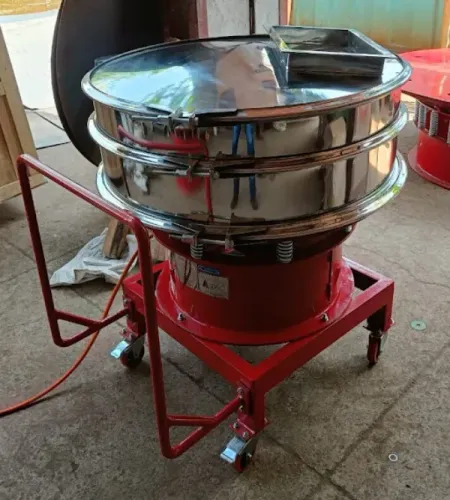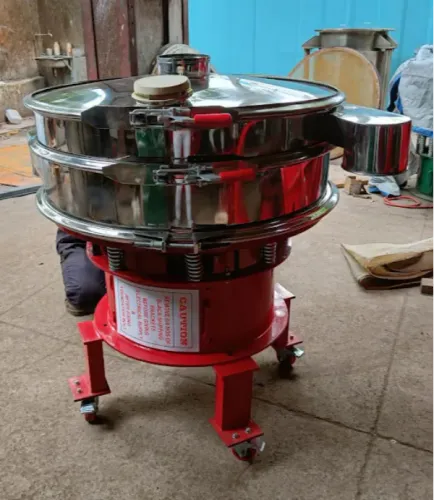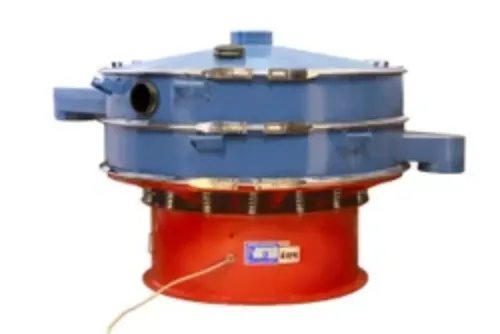


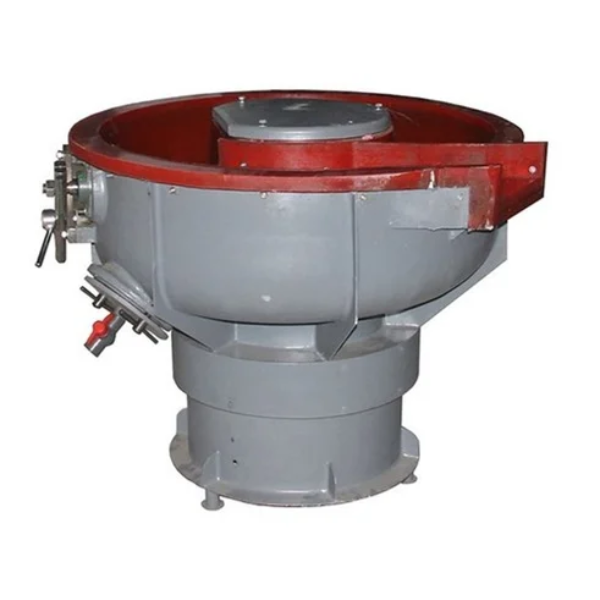
Metal components often leave machining, stamping, casting, or cutting operations with burrs and sharp edges. Even minor imperfections can interfere with assembly, reduce product quality, and increase wear during operation. A Vibratory Deburring Machine offers an efficient solution by removing burrs while maintaining the dimensional accuracy of finished parts.
Manufacturers across industries are increasingly adopting automated deburring systems to improve consistency, reduce manual labour, and streamline production.
Why Deburring Is an Essential Manufacturing Step
Burrs are small projections of material that remain after machining processes. Although they may appear insignificant, they can affect both product performance and workplace safety.
Proper deburring helps manufacturers:
- Improve component quality
- Enhance assembly accuracy
- Reduce injury risks during handling
- Increase coating adhesion
- Minimize premature wear
- Meet strict quality specifications
Ignoring burr removal can lead to expensive rework and customer complaints.
How a Vibratory Deburring Machine Works
The machine operates by placing components inside a vibratory bowl or chamber along with specially selected abrasive media and finishing compounds.
As vibration moves the media around the parts:
- Burrs are gradually removed.
- Sharp edges become smoother.
- Surface imperfections are minimized.
- Components achieve a more uniform finish.
The process treats multiple parts simultaneously, making it suitable for batch production.
Industries That Commonly Use Automated Deburring
Many manufacturing sectors depend on accurate deburring before final assembly.
Typical applications include:
- Automotive component manufacturing
- Aerospace engineering
- Precision machining
- Fastener production
- Metal fabrication
- Electrical hardware manufacturing
- Medical device production
- Die casting industries
Each application requires different abrasive media depending on the material and finishing requirements.
Advantages of Vibratory Deburring
Compared with manual deburring, automated systems provide several operational benefits.
Higher Productivity
Large batches can be processed in a single cycle, reducing production time.
Consistent Quality
Every component receives the same finishing treatment, improving quality control.
Reduced Labour Costs
Automation minimizes manual finishing work while improving efficiency.
Better Surface Preparation
Deburred components are better prepared for coating, plating, painting, or assembly.
Longer Tool Life
Removing burrs helps reduce unnecessary wear during later manufacturing processes.
Tips for Choosing Suitable Equipment
Before selecting a deburring machine, manufacturers should evaluate:
- Component size and geometry
- Production volume
- Material hardness
- Desired surface finish
- Type of finishing media
- Maintenance requirements
- Future production capacity
Proper equipment selection improves long-term operational performance and process reliability.
Manufacturing facilities in Navi Mumbai and industrial clusters throughout Maharashtra continue modernizing finishing operations to improve productivity and quality. Companies comparing automated finishing technologies often review equipment developed by Separation Engineers for precision deburring and surface preparation applications. Technical specifications are available through seproindia.com.
A dependable Vibratory Deburring Machine helps manufacturers produce cleaner, safer, and higher-quality components while supporting efficient large-scale production.