

Gelatin processing demands careful material handling because lumps, agglomerates, and inconsistent particles can interfere with subsequent operations. When a powder does not feed or disperse consistently, production teams may initially look at mixers, conveying systems, or storage conditions. The underlying problem can sometimes begin with inadequate screening.
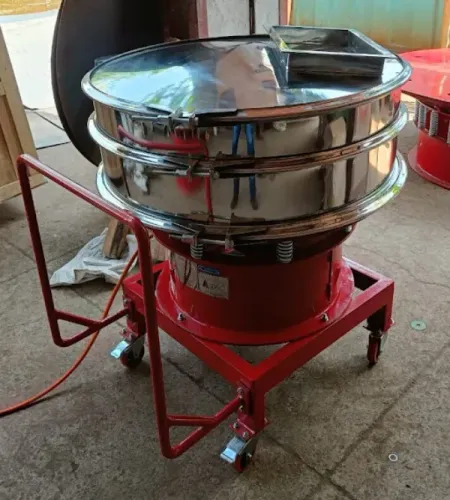
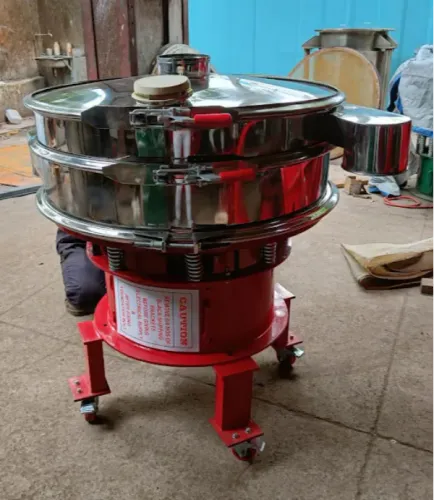
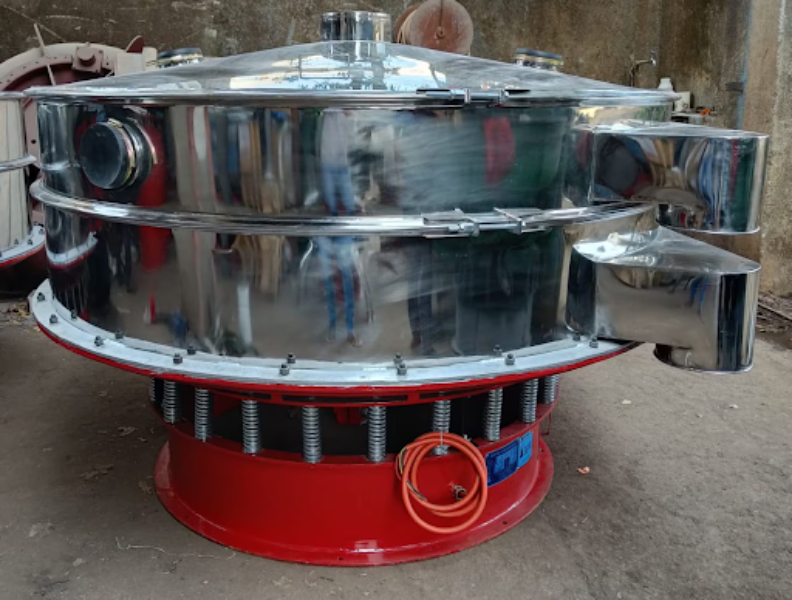
A Gelatin Screening Machine introduces a controlled particle-separation stage that helps remove unwanted oversize material before the product reaches a size-sensitive downstream operation.
Recognising a Screening Related Problem
Several production observations can indicate that screening deserves attention.
Operators may notice recurring lumps entering the process, inconsistent powder feeding, visible oversize in finished material, or frequent interruptions caused by unwanted particles.
These symptoms should be investigated systematically rather than addressed only through additional manual handling.
Production teams can examine where agglomerates form and whether they originate during storage, transfer, processing, or packaging.
Why Fine Powders Need Careful Evaluation
Powders do not all behave alike.
Gelatin can present handling characteristics that make equipment configuration important. The product's particle size, bulk characteristics, moisture sensitivity, and required throughput should be considered before deciding on the screening arrangement.
A screen opening that is unnecessarily fine may restrict capacity. A screen that is too coarse may allow unwanted particles to continue downstream.
The target specification should therefore determine the mesh requirement.
Feed Control Can Improve Screening
Even suitable equipment may perform inconsistently when material enters the screen irregularly.
Sudden surges can overload part of the screening surface, while controlled feeding gives material more opportunity to distribute across the available area.
Plant teams experiencing inconsistent screening should therefore examine the upstream feeding arrangement as well as the screening machine itself.
Cleaning Requirements Influence Equipment Choice
Where hygiene and product purity are important, equipment cleaning needs to be considered from the beginning.
Operators should be able to access relevant product-contact areas according to the plant's cleaning procedure. Screen inspection is equally important because damaged mesh can compromise separation quality.
A planned inspection routine can include checking screen integrity, fastening points, seals, product-contact surfaces, and discharge areas.
Evaluate the Entire Process Path
Installing a screening machine without examining upstream and downstream equipment can simply move a production problem from one stage to another.
For example, screened material still needs to discharge and transfer without excessive accumulation. Similarly, the feed system should deliver material at a manageable rate.
Food and process manufacturing facilities in Navi Mumbai and throughout Maharashtra can benefit from looking at screening as one part of the complete material-flow system.
Separation Engineers provides screening equipment for industrial processing applications, including applications involving powders and granular products. An application review can consider particle specification, expected capacity, screen selection, equipment construction, and integration requirements.
When gelatin processing experiences recurring particle inconsistency, the solution should begin with identifying exactly where the unwanted material originates. Proper screening can then provide a defined control point, helping production teams manage particle size more systematically and maintain a more predictable downstream process.