

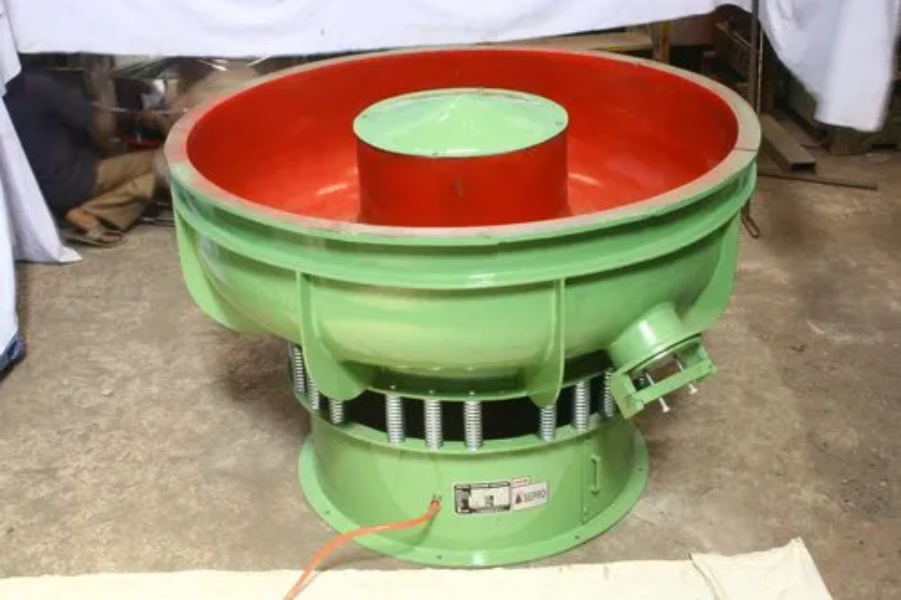
Achieving a smooth, polished surface is essential for many industrial components, particularly those used in automotive, aerospace, engineering, and precision manufacturing. While several finishing techniques are available, choosing the right one depends on production volume, finish quality, operating costs, and application requirements.
A Vibratory Ball Burnishing Machine has become a preferred solution for manufacturers seeking consistent surface enhancement without excessive manual intervention. Understanding how it compares with conventional finishing methods can help businesses make informed investment decisions.
What Is a Vibratory Ball Burnishing Machine?
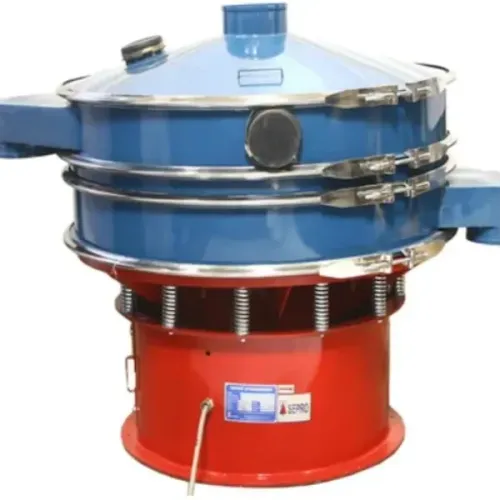
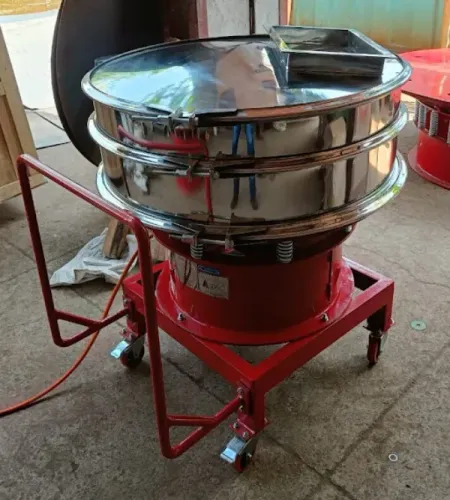
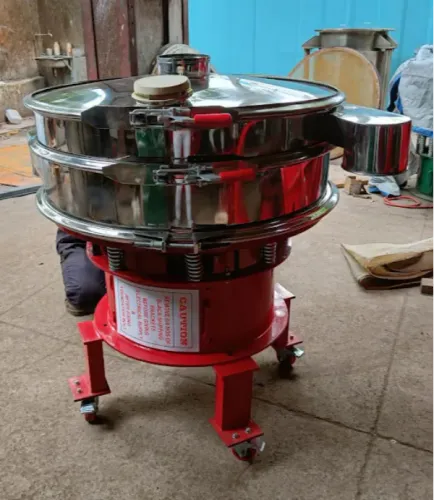
A Vibratory Ball Burnishing Machine is a finishing system that uses hardened steel balls and controlled vibration to polish and strengthen component surfaces.
Instead of removing significant material, the process compresses and smooths the outer surface, improving finish quality while increasing surface hardness and fatigue resistance in many applications.
Conventional Finishing Methods
Manufacturers commonly use several traditional finishing techniques.
These include:
- Manual polishing
- Belt grinding
- Buffing wheels
- Sanding
- Hand finishing
- Mechanical polishing
Although these methods remain useful for specific applications, they often require greater operator involvement and may produce inconsistent results.
Comparing Both Approaches
Surface Consistency
A Vibratory Ball Burnishing Machine processes multiple parts under controlled conditions, delivering consistent finishes across large production batches.
Manual polishing quality often varies depending on operator skill.
Production Speed
Automated burnishing allows large quantities of components to be finished simultaneously, reducing production time.
Traditional methods generally process one component at a time.
Labour Requirements
Automation reduces dependence on skilled manual labour and minimizes repetitive finishing tasks.
Conventional polishing requires continuous operator attention.
Component Protection
Controlled vibration minimizes the risk of uneven polishing or accidental damage that can occur during manual finishing.
Long-Term Operating Cost
Although automated equipment requires an initial investment, lower labour costs and improved productivity often provide better long-term value.
Applications of Ball Burnishing
This finishing process is suitable for:
- Automotive components
- Precision machined parts
- Stainless steel products
- Brass components
- Aluminium parts
- Fasteners
- Engineering hardware
- Decorative metal products
Many industries use burnishing before plating or coating to achieve improved surface quality.
Factors to Consider Before Choosing
The right finishing solution depends on production objectives.
Consider:
- Batch size
- Required finish quality
- Component geometry
- Material type
- Production frequency
- Available workforce
- Future expansion plans
Businesses with continuous production requirements often benefit more from automated finishing systems.
Why Automation Is Gaining Preference
Manufacturers today focus on improving productivity without compromising quality. Automated burnishing equipment supports lean manufacturing practices by reducing cycle times, improving consistency, and lowering operational costs.
Industrial businesses in Navi Mumbai increasingly choose engineered finishing solutions that can be customized for their production requirements. Separation Engineers offers vibratory finishing equipment designed to help manufacturers improve surface quality while maintaining reliable production efficiency.