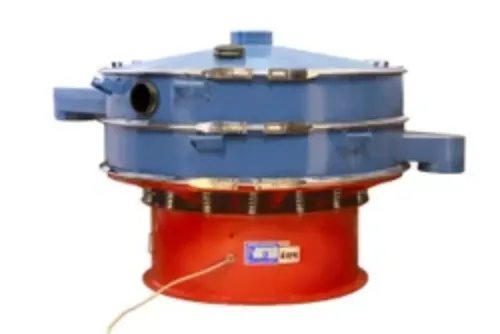


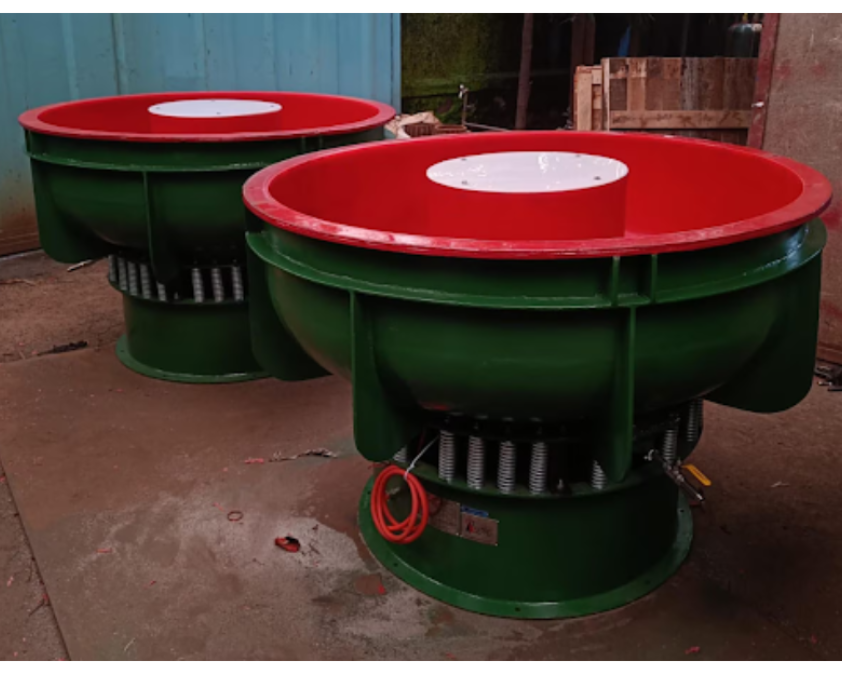
Surface finishing is an essential stage in manufacturing. Even well-machined components often contain burrs, sharp edges, oxidation marks, or surface imperfections that affect appearance and performance. A Tumbler Finishing Machine provides an efficient method for improving component finish while maintaining consistent production quality.
Industries producing metal, plastic, ceramic, and precision-engineered components rely on finishing processes to prepare products for assembly, coating, or final inspection.
What Is a Tumbler Finishing Machine
A Tumbler Finishing Machine uses controlled rotational movement to process components together with specially selected finishing media and compounds.
As the drum rotates, the media gently rubs against the workpieces, removing minor imperfections while creating a smoother surface.
The process can be customized for different finishing requirements, including:
- Deburring
- Edge radiusing
- Surface smoothing
- Polishing
- Cleaning
- Rust removal
- Surface preparation
Different combinations of media and compounds produce different finishing results.
Why Surface Finishing Matters
Poorly finished components can create several manufacturing challenges.
These include:
- Assembly difficulties
- Premature wear
- Reduced coating adhesion
- Lower product aesthetics
- Increased rejection rates
- Customer quality complaints
Proper finishing improves both functional performance and visual appearance.
Industries That Use Tumbler Finishing
Many sectors benefit from automated finishing technology.
Common applications include:
- Automotive components
- Fasteners
- Casting manufacturers
- Precision engineering
- Aerospace components
- Medical equipment
- Jewellery manufacturing
- Hardware production
Each industry uses different media depending on material type and finishing objectives.
Choosing the Right Finishing Media
The finishing media significantly influences final results.
Popular options include:
- Ceramic media
- Plastic media
- Steel media
- Porcelain media
- Organic media
Selection depends on component hardness, desired finish, processing time, and production volume.
Features That Improve Productivity
Modern finishing equipment offers several operational advantages.
These include:
- Uniform finishing action
- Batch processing capability
- Reduced manual polishing
- Lower labour costs
- Consistent production quality
- Simple operation
- Reliable repeatability
- Easy maintenance
These features help manufacturers improve production efficiency while maintaining quality standards.
Factors to Consider Before Buying
Before investing in a machine, manufacturers should evaluate:
- Component size
- Batch volume
- Material type
- Required finish
- Drum capacity
- Maintenance requirements
- Media compatibility
- Operating cost
Matching equipment specifications with production goals helps achieve better long-term performance.
Growing Demand for Automated Finishing
As manufacturing quality standards continue to rise, businesses increasingly replace manual finishing with automated systems that deliver predictable results.
Industrial units throughout Navi Mumbai and manufacturing hubs across Maharashtra continue adopting advanced finishing equipment to improve productivity and reduce processing variability. Companies exploring dependable finishing technologies often review equipment developed by Separation Engineers, which focuses on industrial finishing applications across multiple sectors. Product information and technical resources are also available through seproindia.com.
A well-designed Tumbler Finishing Machine helps manufacturers improve surface quality, reduce production time, and create consistently finished components ready for downstream operations.