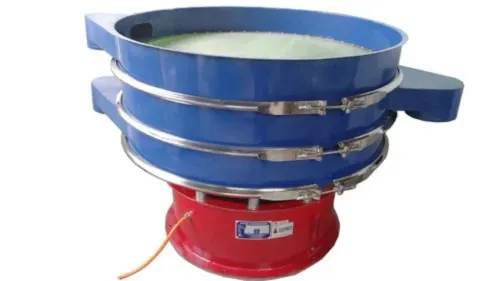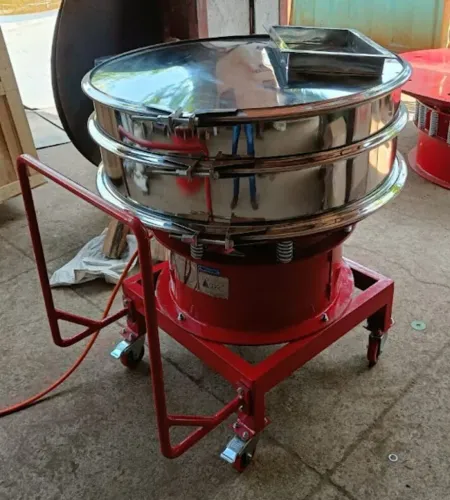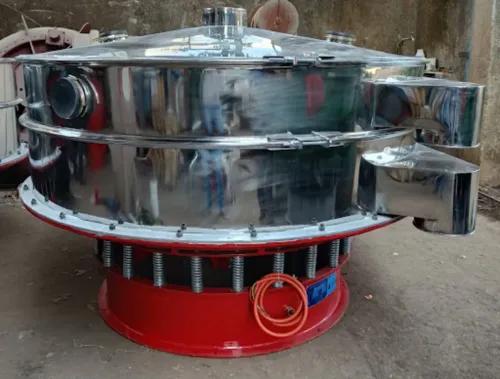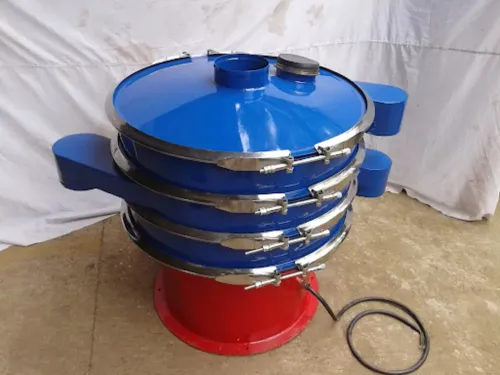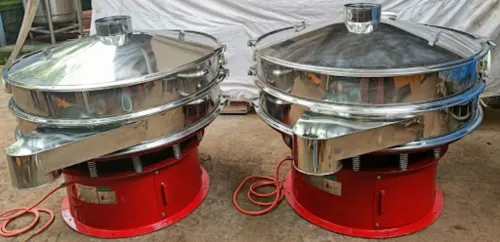
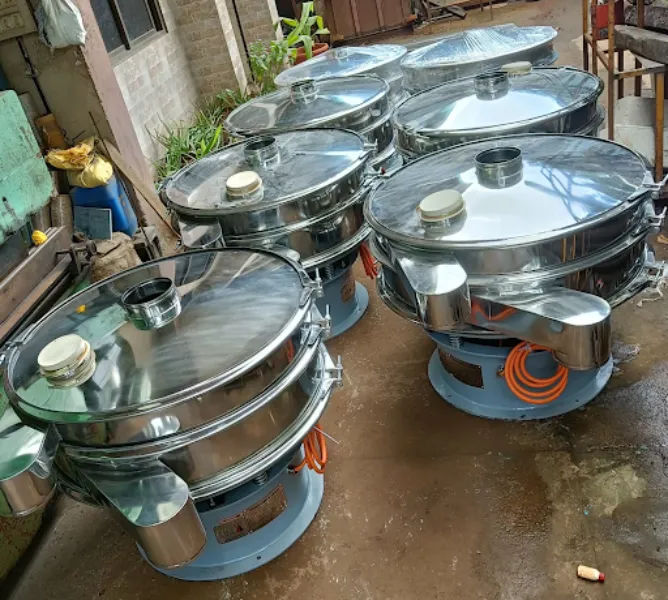
Spice processors need to manage particle consistency while maintaining practical standards for hygiene, cleaning, product handling, and production efficiency. Ground spices may contain agglomerates, oversized particles, or unwanted material that should be separated before blending, packing, or further processing.
A Spices Screening Machine provides a controlled way to classify material according to the selected screen opening. For buyers, however, choosing the machine should begin with the spice and production process rather than equipment capacity alone.
Understand the Spice Being Processed
Different spices have very different physical characteristics.
Chilli powder does not necessarily behave like turmeric, coriander, cumin, pepper, or blended seasoning. Particle size, oil content, moisture, density, and flow characteristics can influence screening behaviour.
A machine intended to process several products should therefore be evaluated against the range of materials expected in normal production.
Determine the Purpose of Screening
Screening objectives commonly include removing lumps, controlling particle size, separating unwanted oversize, and preparing material for a downstream process.
The required objective should be documented before deciding on mesh.
For example, a screen used as a final quality-control step before packing may have different requirements from equipment used for intermediate classification.
Pay Attention to Product Changeovers
Facilities processing several spice varieties need an effective cleaning routine between products.
Equipment accessibility becomes important because retained material can complicate changeovers. Buyers should review product-contact surfaces, screen access, discharge sections, and other areas included in the plant's cleaning procedure.
The ease with which screens can be inspected and replaced also affects routine maintenance.
Evaluate Actual Production Capacity
Capacity should be assessed using realistic product conditions.
Important details include expected kilograms per hour, batch size, mesh opening, feeding method, product characteristics, and operating duration.
A fine screen processing a difficult powder may behave very differently from a coarser screen handling a free-flowing material. Generic capacity figures therefore need application context.
Check How the Machine Fits the Line
Equipment selection should include the physical production environment.
Measure the available space and consider how material will enter the machine, where screened product will discharge, how oversize will be collected, and whether operators can access the equipment safely for routine work.
Food-processing units in Navi Mumbai and other parts of Maharashtra may operate within existing layouts, making early dimensional planning especially useful.
Look for Application Based Supplier Support
When evaluating a supplier, pay attention to the questions being asked.
A useful equipment discussion should cover product characteristics, screen specification, throughput, cleaning expectations, material-contact requirements, and installation conditions.
Separation Engineers works with industrial screening applications for powders and other process materials. For spice-processing requirements, these application details can be used to determine a suitable screening arrangement.
Selecting the right spices screening equipment is ultimately about maintaining controlled particle separation without creating unnecessary complexity in production. When hygiene, product diversity, mesh requirements, capacity, and cleaning are evaluated together, processors can make an equipment decision that supports both day-to-day operations and consistent finished-product handling.
Keywords