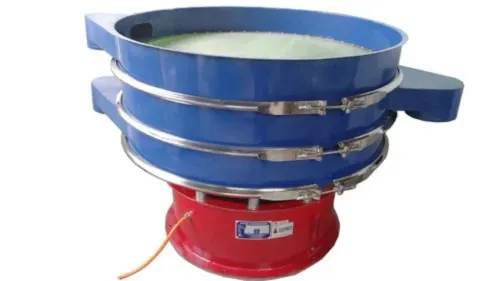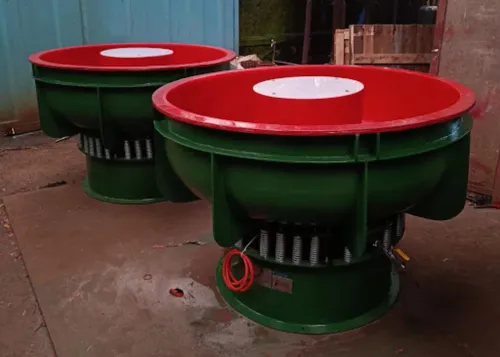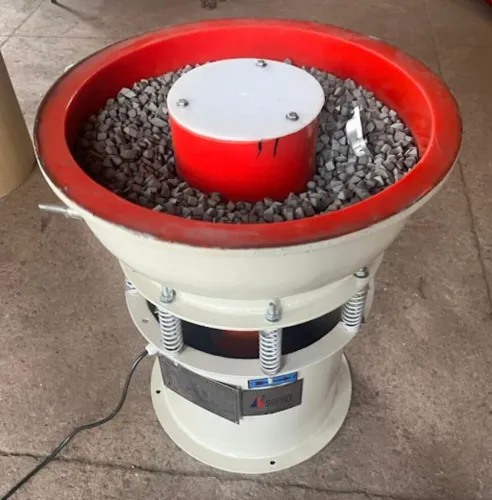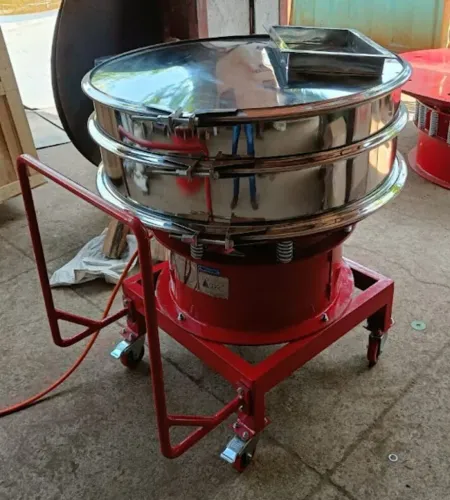
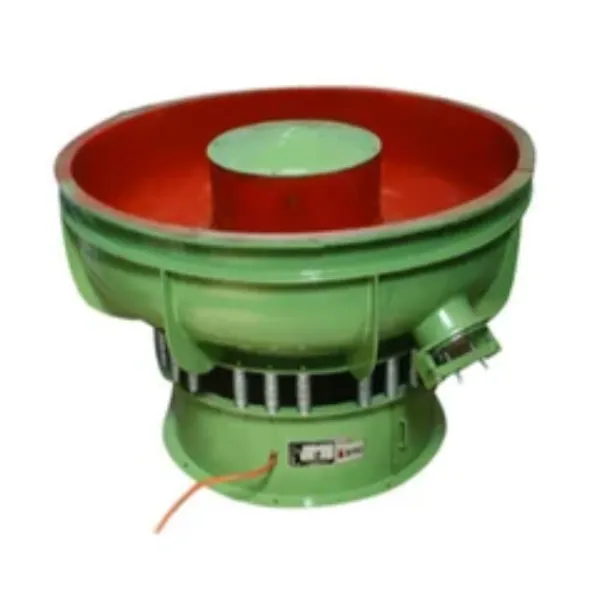
Surface finishing can become a production bottleneck when components require extensive manual handling after machining or fabrication. Inconsistent hand finishing can also make it difficult to maintain the same surface condition across larger batches. A Vibratory Finishing Machine provides a controlled batch-processing approach for deburring, edge conditioning, cleaning, smoothing, and selected surface-improvement applications.
The challenge is selecting a system that matches the component and production requirement.
Define the Required Finish First
Equipment selection should start with the expected result rather than the machine specification.
Different manufacturers may use vibratory processing for very different purposes. One may need to reduce machining burrs. Another may want to smooth surfaces before coating. A third may need general component cleaning and edge conditioning.
Clearly defining the target helps determine suitable machine configuration, media, compound, and cycle parameters.
Useful questions include:
- What condition are the parts in before finishing?
- What should the surface look and feel like afterward?
- Are there critical edges that must remain unchanged?
- Are holes and recesses present?
- What production quantity is required?
- What happens to the component after finishing?
Understand the Role of Media
Finishing results depend heavily on the interaction between the component, media, compound, and machine motion.
Media should be selected according to the component material and geometry. Incorrectly sized media can become trapped in holes or narrow features. Media that cuts too aggressively may remove more material than required, while an overly mild option can extend processing time.
Representative trials are therefore valuable before standardizing a process.
Think Beyond Cycle Time
A short cycle can appear attractive, but total production time includes loading, processing, separation, rinsing where applicable, unloading, and preparation for the next batch.
The most productive system is not necessarily the one with the shortest processing cycle. It is the one that creates a manageable overall workflow.
This distinction matters for engineering manufacturers in Navi Mumbai and Maharashtra operating multiple machining lines and requiring finishing capacity to keep pace with production.
Check Batch Consistency
One of the key reasons for introducing mechanized finishing is repeatability.
Manufacturers should therefore evaluate whether components from different positions within the batch receive reasonably consistent treatment. Batch loading, media ratio, processing time, and machine settings should be standardized where possible.
Documented process parameters can make it easier to reproduce approved finishing results.
Consider Future Component Requirements
Equipment is often purchased for an immediate requirement, but production mixes can change.
Before finalizing a machine, manufacturers can review the likely range of component sizes, materials, and batch quantities expected over the foreseeable production cycle.
This does not mean choosing unnecessarily oversized equipment. It means avoiding a configuration that is so narrowly matched to one component that routine production changes immediately create limitations.
Use Trials as Part of Evaluation
A representative trial provides more useful information than assumptions based solely on machine specifications.
Inspect the processed component for burr reduction, surface appearance, dimensional acceptability, media lodging, processing time, and ease of separation.
Separation Engineers supports vibratory finishing applications for industrial manufacturers. When evaluating a Vibratory Finishing Machine for a facility in Navi Mumbai or elsewhere in Maharashtra, production teams should combine component trials with practical considerations such as batch size, workflow, maintenance, and operator handling. This creates a stronger basis for selecting equipment that can deliver repeatable finishing in everyday production.
Keywords