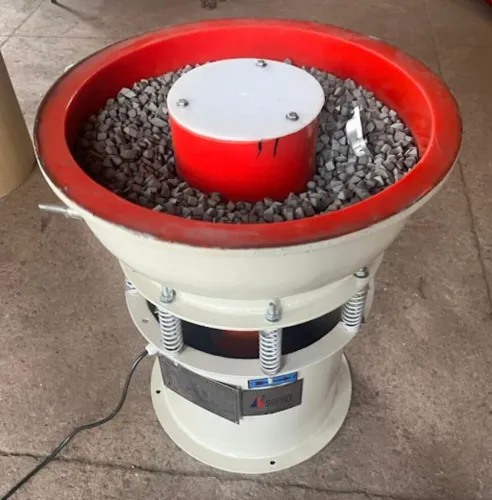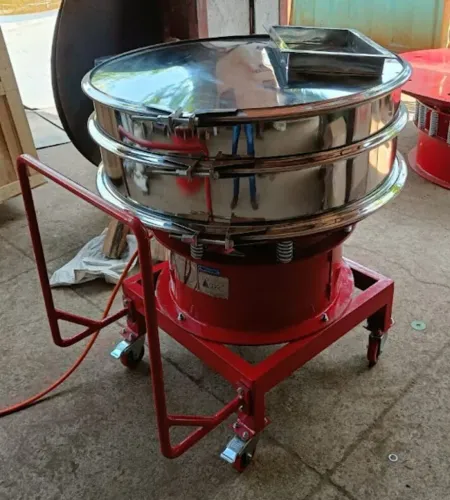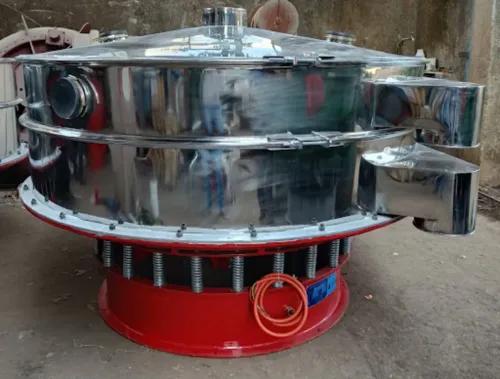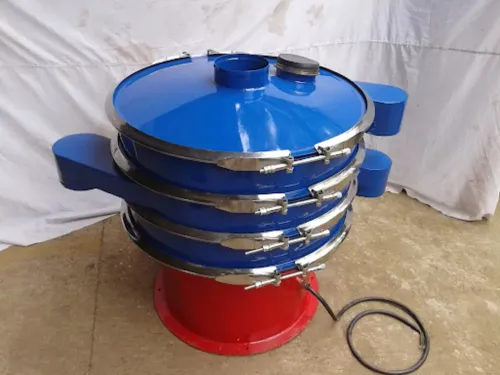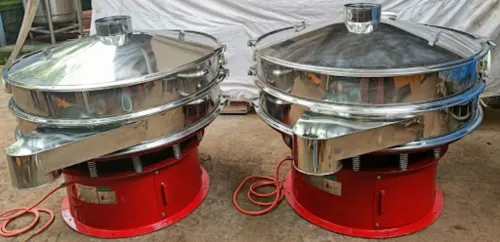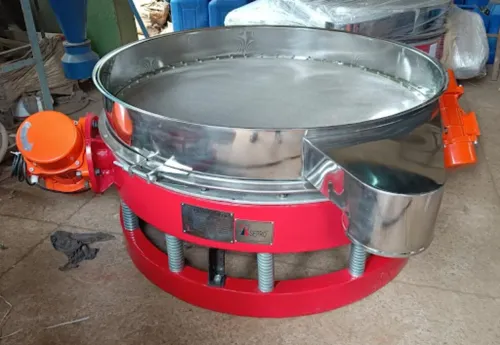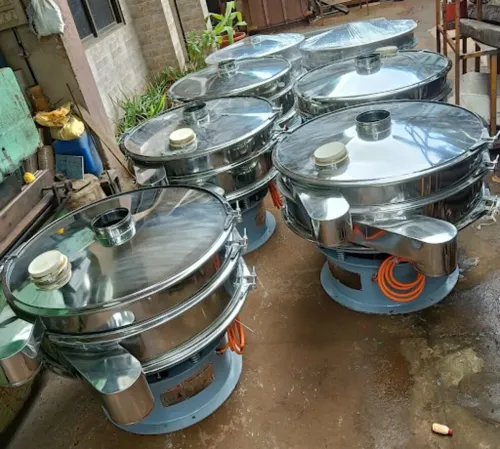
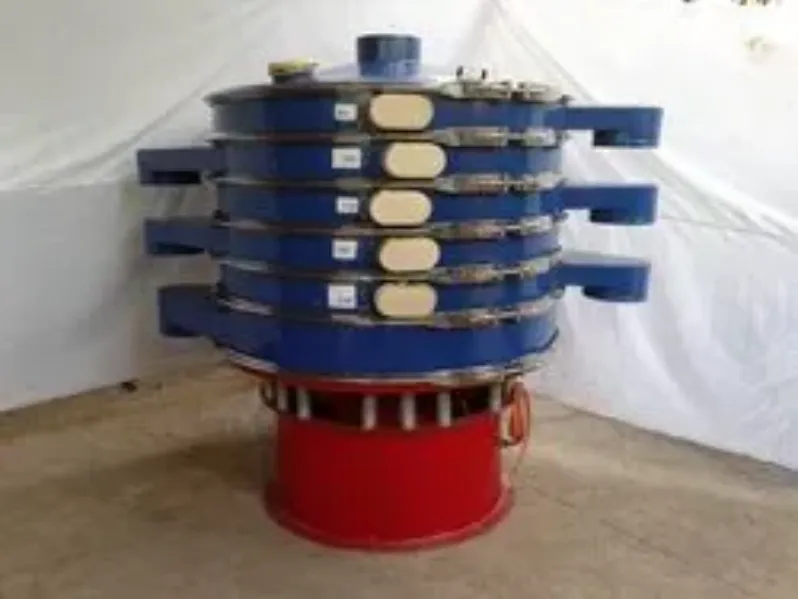
Tea sorting is an important stage between processing and final packing. After drying and other production stages, tea can contain particles of different sizes. Separating these fractions helps processors create more consistent grades for blending, packaging, and further handling. A Vibro Tea Sorting Machine can support this classification by using controlled vibration and selected screens to separate tea according to particle size.
The objective is not to change the tea itself. It is to create more uniform fractions from material that already contains different particle sizes.
Why Tea Grade Consistency Matters
Commercial tea processing depends heavily on repeatability. When particle sizes vary considerably within the same batch, blending and packing can become less consistent.
Sorting helps processors separate fractions that may have different applications. Depending on the tea type and processing requirement, screening can assist with segregation of finer particles, medium grades, larger particles, and unwanted oversize material.
A controlled sorting stage can therefore simplify subsequent operations.
Vibration Supports Continuous Classification
In vibratory sorting, tea moves across a screen under controlled motion. Smaller particles pass through selected apertures while larger fractions continue across the screening surface.
When several screen decks are used, multiple particle ranges may be separated within the same process.
Effective sorting depends on more than vibration alone. Screen aperture, feed rate, material distribution, deck arrangement, and machine settings can influence the final result.
Excessive feed can overload the screening area and reduce classification efficiency. An uneven feed may also result in poor utilization of the available screen surface.
Gentle Handling Is Important
Tea is a processed agricultural product, so equipment should be selected with material handling in mind. Excessive mechanical action can potentially create additional fines or alter the particle distribution manufacturers are attempting to control.
The sorting process should therefore balance movement with appropriate handling.
Processors evaluating equipment should consider:
- Tea type and particle distribution
- Number of grades required
- Desired capacity
- Screen aperture requirements
- Feeding arrangement
- Product-contact construction
- Cleaning access
- Discharge arrangement
These factors help determine whether the equipment fits both production and quality requirements.
Sorting Should Fit the Wider Production Flow
A sorting machine needs to work effectively with upstream and downstream equipment.
Material may arrive from processing equipment, storage systems, elevators, conveyors, or manual feeding arrangements. After sorting, different grades may move to blending, storage, packing, or additional processing.
Planning these connections can reduce unnecessary material handling and help operators maintain orderly production.
For processing facilities in Navi Mumbai and across Maharashtra, space availability and existing plant layouts may also influence equipment configuration.
Regular Checks Help Maintain Grade Accuracy
Screen condition should be monitored because damaged mesh, blocked apertures, or incorrect installation can affect separation quality. Feed consistency also deserves regular attention.
Operators can periodically compare sorted fractions with expected specifications. If particle distribution changes significantly, the cause may relate to incoming material, screen condition, feed rate, or operating settings.
A Vibro Tea Sorting Machine is most useful when it forms part of a well-controlled grading process rather than functioning as an isolated machine. Separation Engineers provides industrial screening solutions for different material-classification requirements. Tea processors assessing sorting equipment in Navi Mumbai or elsewhere in Maharashtra can gain better results by defining their required grades, capacity, and handling conditions before finalizing a machine configuration.
Keywords