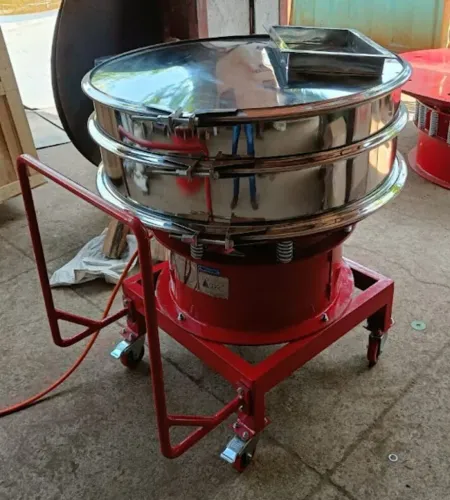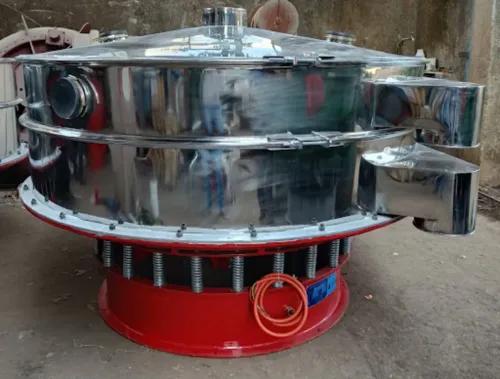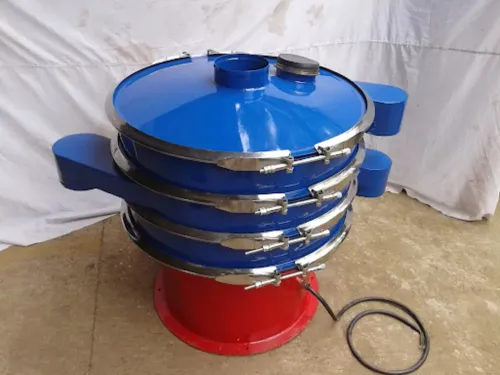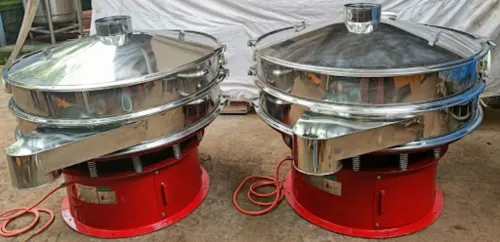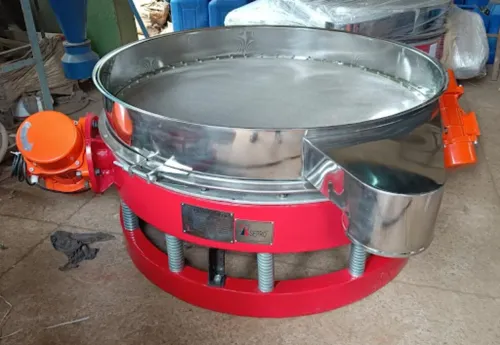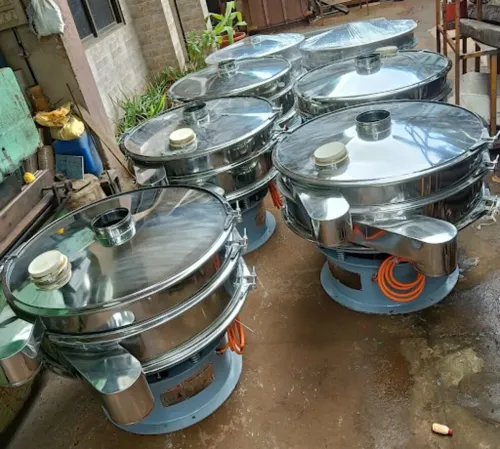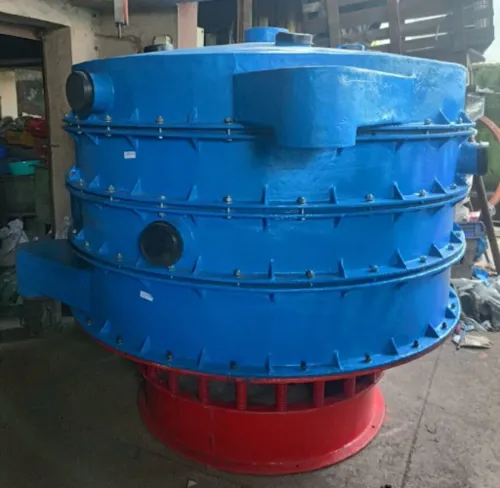
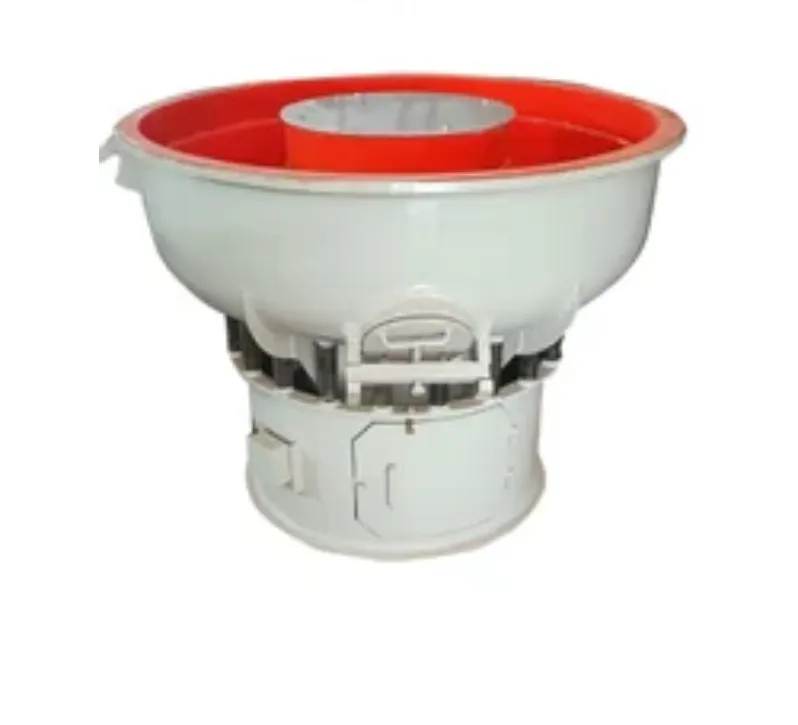
Metal components sometimes require more than basic deburring. Their surfaces may need improved smoothness, cleanliness, and visual uniformity before assembly, presentation, plating, or other downstream stages. A Vibratory Ball Burnishing Machine can be considered for selected applications where controlled media action is used to improve the surface condition of suitable components.
The effectiveness of the process depends heavily on matching the machine, media, component, and operating parameters.
Burnishing Has a Different Objective
Aggressive deburring generally focuses on removing unwanted burrs and sharp projections. Burnishing typically emphasizes surface refinement.
Depending on the component and process, the aim may include creating a smoother appearance, improving surface uniformity, or preparing parts for a subsequent operation.
Because these objectives differ, a process developed for cutting burrs should not automatically be treated as a burnishing process.
Media Plays a Central Role
Ball burnishing commonly involves metallic media suited to the component and required finish. Media size needs careful consideration, especially when components contain holes, slots, recesses, threads, or other detailed features.
If media can become lodged in a component, unloading and inspection can become unnecessarily difficult.
The component geometry should therefore be reviewed before a media selection is finalized.
Surface Condition Before Processing Matters
Burnishing cannot be evaluated independently of the incoming part condition.
Components with heavy machining marks or substantial burrs may need an earlier finishing stage before burnishing. Parts that already have a relatively controlled surface may respond differently.
Manufacturers should establish an acceptable incoming condition so that variations from upstream machining do not create unpredictable finishing results.
Control the Main Process Variables
Repeatable processing depends on controlling the variables that influence media-to-part interaction.
These can include:
- Processing duration
- Batch loading
- Media quantity
- Media size
- Compound selection
- Machine settings
- Incoming component condition
Changing several parameters simultaneously can make troubleshooting difficult. A controlled trial programme is generally more useful when one significant variable is adjusted at a time.
Inspect More Than Appearance
A visually attractive component is not automatically acceptable.
Critical dimensions, edges, threads, holes, and functional surfaces should still meet engineering requirements after processing. Inspection criteria should therefore reflect the purpose of the component rather than relying only on visual assessment.
This is particularly important for precision engineering companies in Navi Mumbai and other industrial areas of Maharashtra, where finishing is often only one step within a longer manufacturing route.
Standardization Supports Repeatability
Once an acceptable process has been established, manufacturers can document the key parameters. Recording media type, batch size, cycle duration, compound usage, and inspection requirements can reduce variation between operators and shifts.
Media conditions should also be monitored because wear can gradually alter process performance.
Separation Engineers provide equipment for vibratory finishing and related industrial applications. A Vibratory Ball Burnishing Machine should be evaluated using actual components whenever practical, since geometry and starting surface condition strongly influence the outcome. For manufacturers in Navi Mumbai and across Maharashtra, establishing measurable finishing criteria before equipment selection can help turn burnishing from a subjective appearance-based operation into a more controlled production process.
Keywords