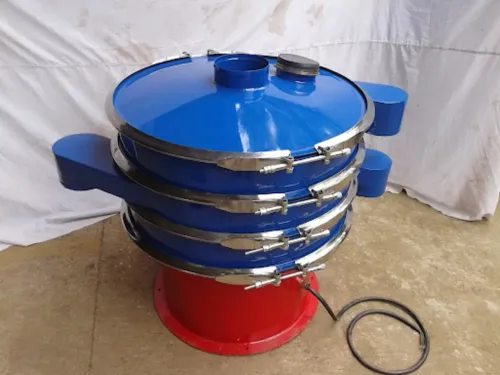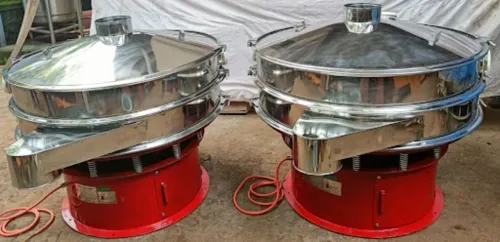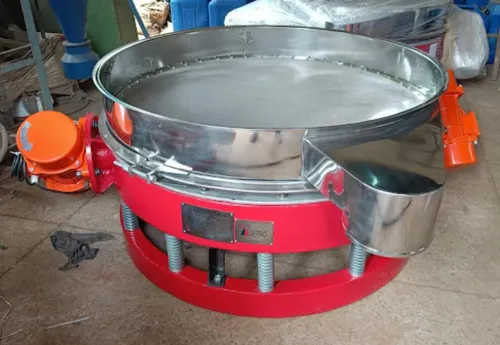
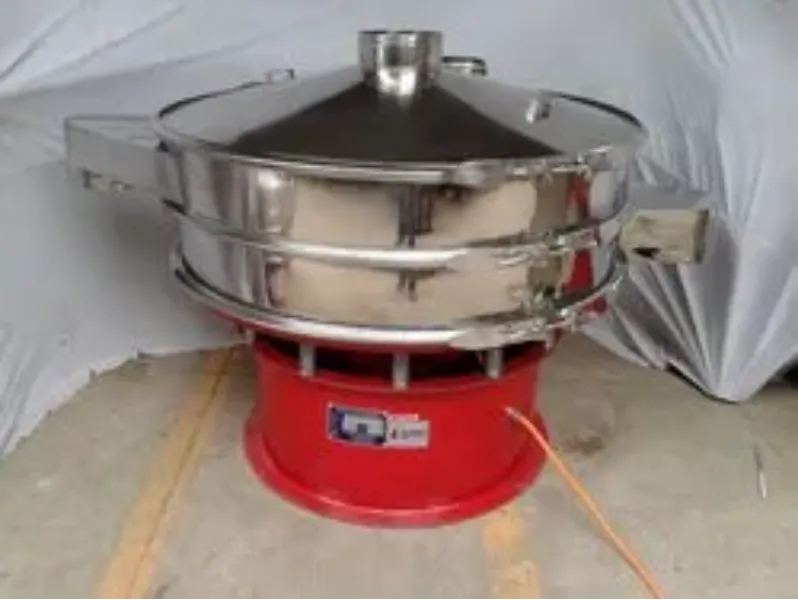
A screening machine that performs effectively with one type of sand may not produce the same results with another. Particle distribution, moisture, contamination, abrasiveness, feed rate, and required output can all influence equipment performance.
This makes selecting a Sand Screening Machine less about comparing machine dimensions and more about understanding the material and the required separation.
Industrial buyers in Navi Mumbai, Maharashtra, should establish these process parameters before comparing equipment configurations.
Start Sand Screening Machine Selection With Material Data
The first comparison should focus on the sand itself.
Dry, free-flowing sand behaves differently from damp material. Fine particles may create dust, while wet or sticky material can reduce screening efficiency by blocking openings.
Useful information includes:
- Feed particle-size distribution
- Maximum lump size
- Moisture condition
- Bulk density
- Abrasiveness
- Required final particle size
- Presence of foreign material
A representative material sample can often provide more useful information than a general description such as fine sand or industrial sand.
Compare Usable Capacity Rather Than Nameplate Capacity
Throughput figures should be interpreted in the context of actual material.
A machine may have a stated capacity under particular test conditions, yet plant performance can differ when material properties change.
Procurement teams should ask what feed characteristics were assumed when capacity was estimated.
It is also useful to distinguish between maximum throughput and the production rate at which the required separation quality can be maintained.
Evaluate Screening Area and Mesh Requirements
Screen opening is only one part of the screening equation.
Available screening area influences how much material can interact with the mesh. If too much material is concentrated on a limited area, separation efficiency may fall.
The correct configuration should balance:
- Desired cut size
- Feed volume
- Particle distribution
- Screening area
- Material flow
- Required separation accuracy
Multi-deck screening may be relevant when several size fractions need to be produced from a single feed.
Consider Wear and Maintenance
Sand can be abrasive. Wear should therefore be part of the equipment comparison from the beginning.
Maintenance teams should examine how easily screens can be inspected and replaced, which components experience repeated material contact, and how routine maintenance will fit into plant schedules.
An inexpensive initial configuration can become costly if screens require excessive replacement or maintenance access is difficult.
Look at the Complete Material Flow
Screening performance can be affected by equipment positioned before and after the screen.
Irregular feeding, poorly arranged discharge points, inadequate collection systems, and unsuitable conveyors can reduce the effectiveness of an otherwise appropriate screening machine.
A practical evaluation should therefore consider how material enters, moves through, and leaves the equipment.
Questions Worth Asking Before Final Selection
Industrial procurement teams can improve comparisons by asking suppliers to explain how the proposed system addresses actual operating conditions.
Clarify the expected throughput, screen size, number of fractions, maintenance access, material-contact construction, installation requirements, and utility needs.
For companies in Navi Mumbai and across Maharashtra, Separation Engineers can be considered when evaluating industrial screening requirements based on material characteristics and process objectives.
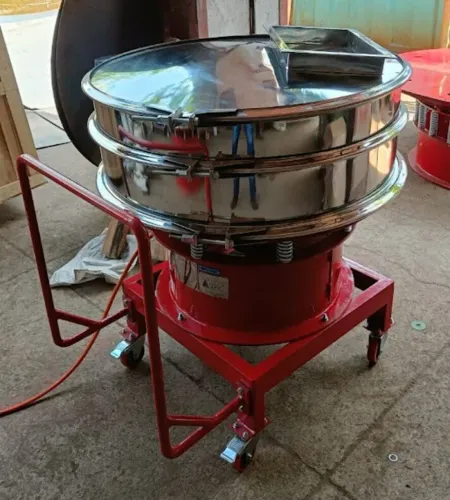
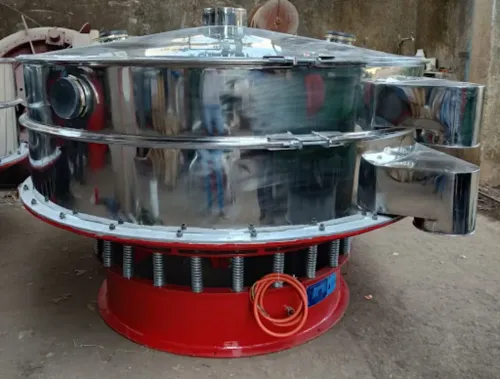
The most suitable Sand Screening Machine is not necessarily the largest unit. It is the configuration that consistently handles the actual feed material, produces the required separation, fits the production line, and remains practical to maintain over its operating life.
Keywords