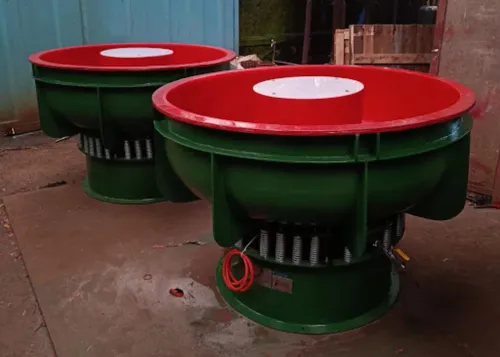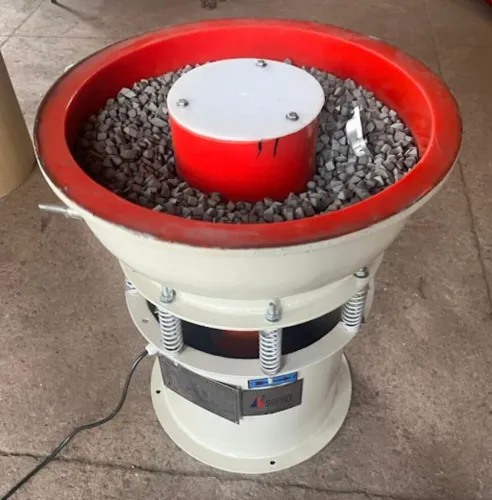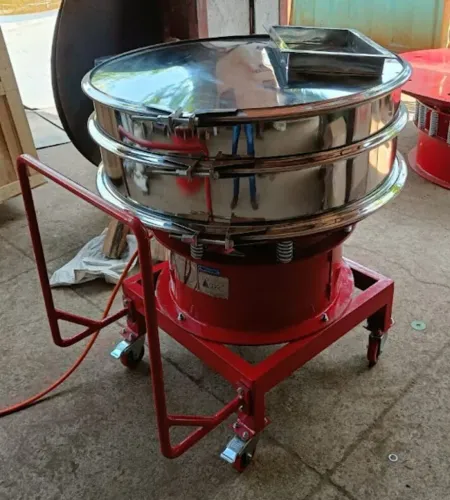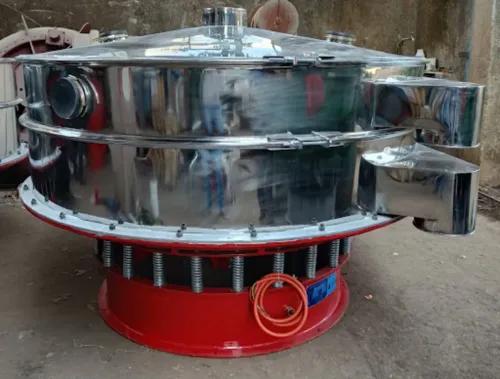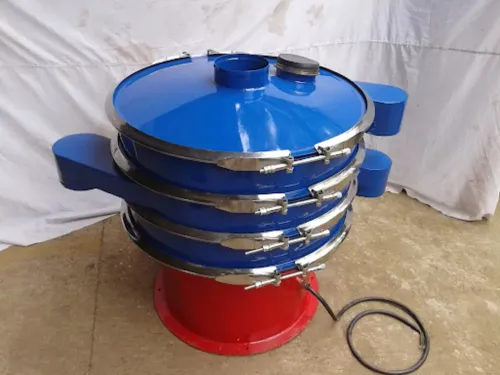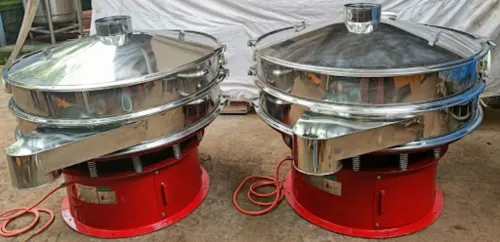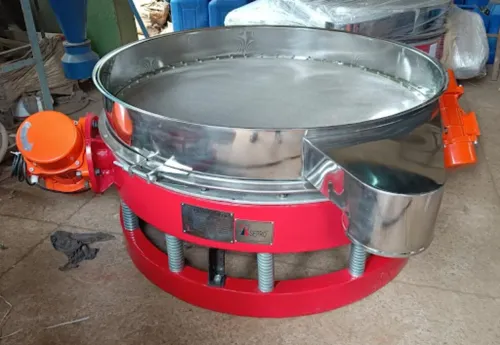
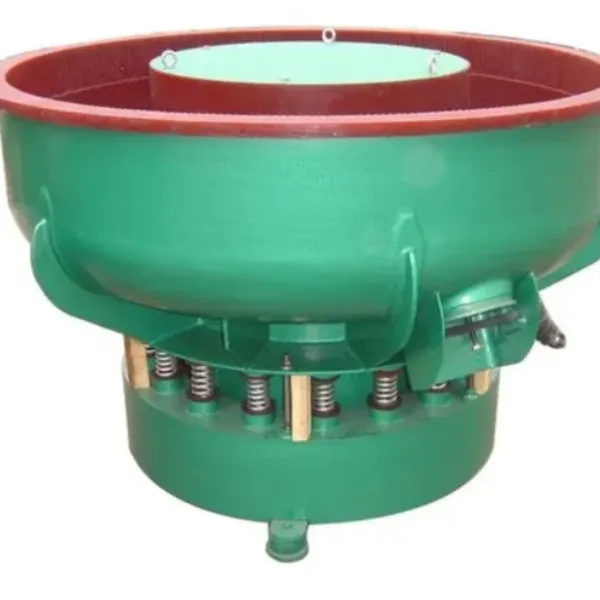
Removing sharp edges and burrs is an important finishing stage for many manufactured metal components. Parts emerging from machining, cutting, stamping, or fabrication may require further treatment before assembly, coating, packing, or delivery. A Vibratory Deburring Machine provides a batch-processing method that can handle multiple components together with suitable media and process compounds.
Choosing the right equipment, however, requires more than comparing machine capacity.
Begin With the Components
The geometry, size, material, and condition of the components should guide machine evaluation.
Small precision parts can have very different finishing requirements from heavy fabricated components. Delicate features may require controlled processing, while robust parts with significant burrs may need a more intensive finishing cycle.
Before comparing machines, identify:
- Component material
- Part dimensions
- Approximate batch quantity
- Burr type and severity
- Internal features
- Surface sensitivity
- Desired finish
- Required cycle time
This information provides a practical basis for equipment selection.
Media Selection Changes the Process
The machine creates movement, but finishing media performs much of the physical interaction with the component surface.
Media differs in material, shape, size, and cutting characteristics. A shape suitable for an open external surface may become lodged inside holes or recesses on another component.
The relationship between the component and media should therefore be evaluated carefully.
Process compounds can also support cleaning, lubrication, surface conditioning, and removal of residues depending on the application.
Capacity Should Reflect Usable Production
Machine size alone does not indicate actual output.
A larger bowl does not automatically mean proportionally more components can be processed. Media-to-part ratio, component shape, movement within the working chamber, and finish requirements all influence usable batch capacity.
Manufacturers should compare equipment using realistic batch conditions rather than nominal chamber volume alone.
For production units in Navi Mumbai and Maharashtra, this becomes particularly relevant when the finishing stage needs to keep pace with machining or fabrication lines.
Look at Part Separation
Once a finishing cycle is complete, parts need to be separated from the media efficiently.
Manual separation may be manageable for low-volume operations, but it can become labour-intensive as batch quantities increase. Equipment configuration and component geometry can influence the practical separation method.
Manufacturers should consider the complete workflow from loading through processing to unloading instead of focusing solely on the finishing cycle.
Avoid Common Selection Mistakes
One frequent mistake is choosing equipment before conducting representative trials. Another is expecting one combination of media and process parameters to suit every component produced in the plant.
Different parts may require different processing times or media.
It is also useful to assess cleaning access, maintenance requirements, noise management, floor space, operator access, and compatibility with surrounding equipment.
Evaluate the Finished Part
The most meaningful comparison is based on the actual output.
A trial should examine whether burrs have been reduced to the required level, critical dimensions remain acceptable, delicate features are protected, and the resulting surface is suitable for the next operation.
Separation Engineers works with vibratory finishing applications for industrial components. Manufacturers considering a Vibratory Deburring Machine in Navi Mumbai or elsewhere in Maharashtra can make a more informed decision by evaluating representative components under realistic processing conditions. The right equipment is the configuration that repeatedly achieves the required finish while fitting the plant's production workflow.
Keywords