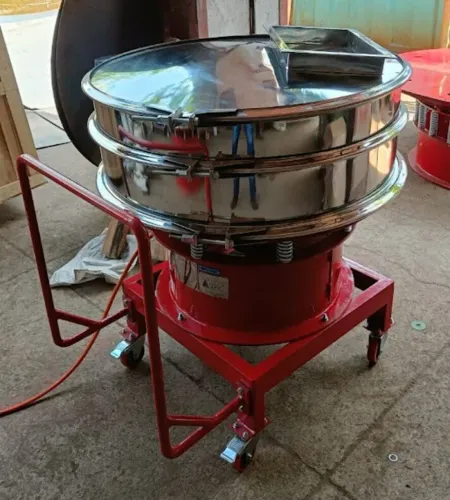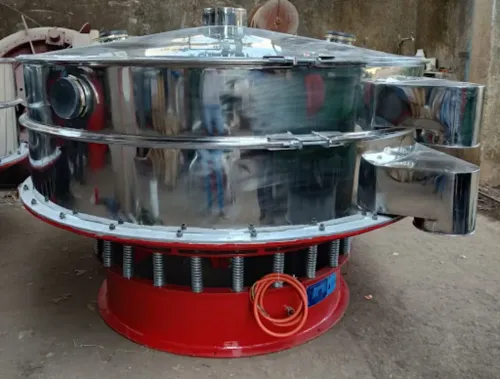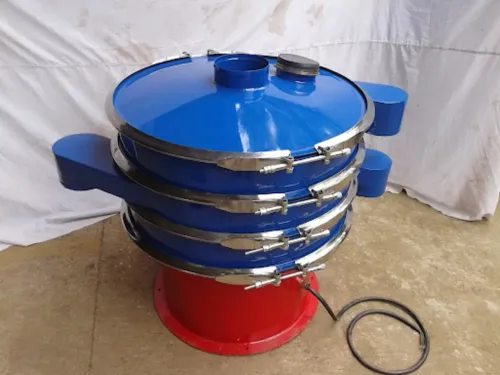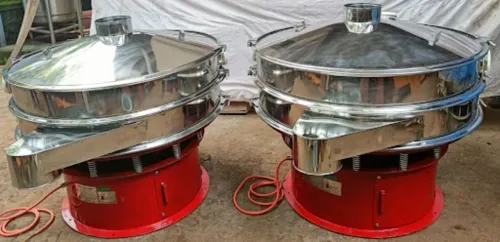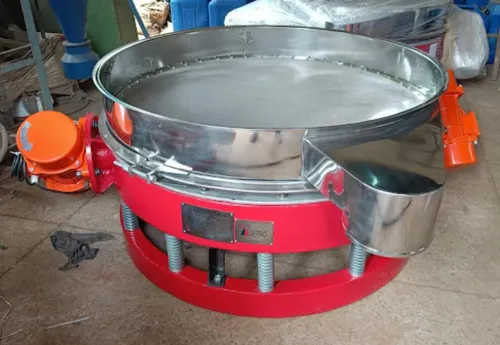
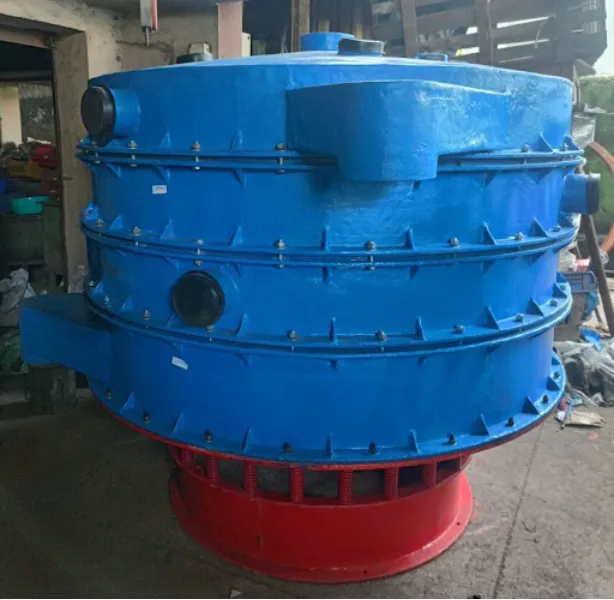
Screening an industrial chemical is not simply a matter of placing a machine between two pieces of process equipment. Material characteristics, environmental exposure, equipment construction, feeding, discharge, cleaning, maintenance, and plant layout all influence whether the installation will perform as intended.
An Anhydrous Aluminum Chloride Screening Machine should therefore be selected through a detailed application review before procurement and installation.
Understand the Material Handling Conditions
Anhydrous aluminum chloride requires careful handling because process conditions and exposure can influence material behaviour. Plant engineers should provide the equipment supplier with accurate information about how the product arrives at the screening stage and what conditions exist around the installation.
Relevant details can include material temperature, particle distribution, bulk characteristics, expected throughput, environmental conditions, and the reason screening is required.
This information helps establish appropriate equipment and construction considerations for the specific application.
Define the Separation Requirement Clearly
The screening objective needs to be measurable.
Plant teams should identify the required passing fraction, unwanted oversize, and screen opening needed by the downstream process.
Without a clear specification, it becomes difficult to determine whether the screening operation is performing correctly after installation.
Quality-control requirements should therefore be included during equipment planning rather than addressed only after commissioning.
Review Material Compatibility
Construction materials should be evaluated according to the chemical application and operating environment.
Process engineers should consider product-contact components, seals, screen materials, connections, and other relevant surfaces. Compatibility decisions should reflect actual plant conditions and the material being handled.
This is an important area where generic equipment selection can create avoidable problems.
Plan Feeding and Discharge
Even correctly selected screening equipment can underperform when material enters it inconsistently.
The upstream system should provide an appropriate feed to the screening surface. Downstream arrangements should allow screened material and rejected material to leave without creating restrictions or uncontrolled accumulation.
Plant layout drawings can help confirm inlet position, discharge orientation, equipment height, and surrounding clearances before fabrication or installation.
Include Maintenance in the Layout
Maintenance access should not become an afterthought.
Operators may need to inspect screens, check seals, clean relevant components, and perform routine maintenance. Sufficient working space should be provided around the machine.
This is particularly important in established chemical plants where new equipment is often installed between existing machinery.
Prepare Useful Information Before Supplier Evaluation
Procurement teams can make technical discussions more productive by preparing:
- Product characteristics
- Required particle separation
- Normal and peak throughput
- Screen requirement
- Product-contact material expectations
- Available installation dimensions
- Feeding method
- Discharge arrangement
- Cleaning requirements
- Operating schedule
Chemical manufacturing operations in Navi Mumbai and across Maharashtra can use this information to compare proposed equipment on application suitability rather than price alone.
Separation Engineers works with industrial screening and separation requirements across process industries. For specialized chemical applications, equipment evaluation can incorporate the actual material, required separation, production conditions, and installation constraints.
A successful screening installation begins before the machine reaches the plant. Defining process conditions, material compatibility, screen specification, flow arrangement, and maintenance access in advance gives engineering and procurement teams a stronger foundation for selecting equipment that fits the intended production environment.
Keywords