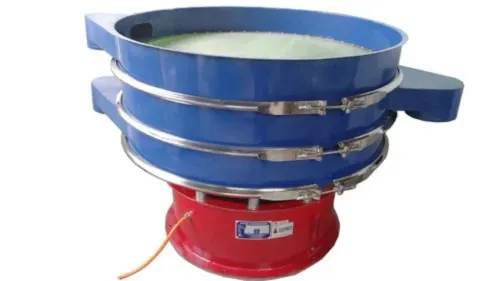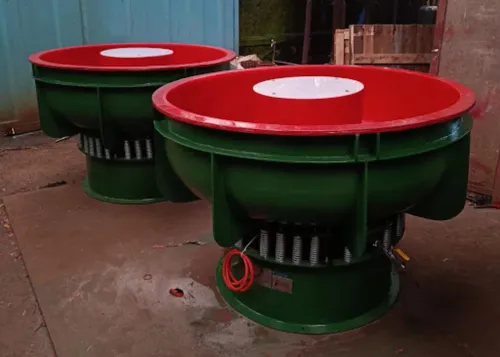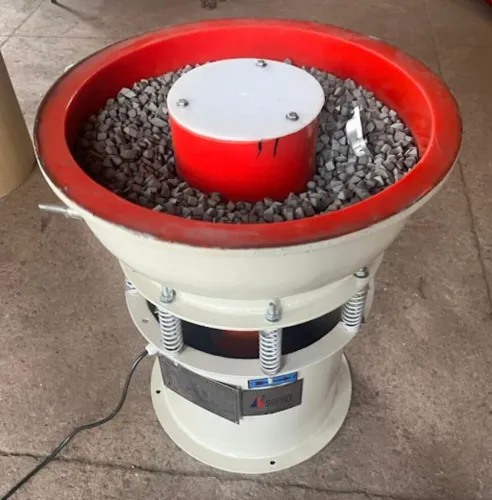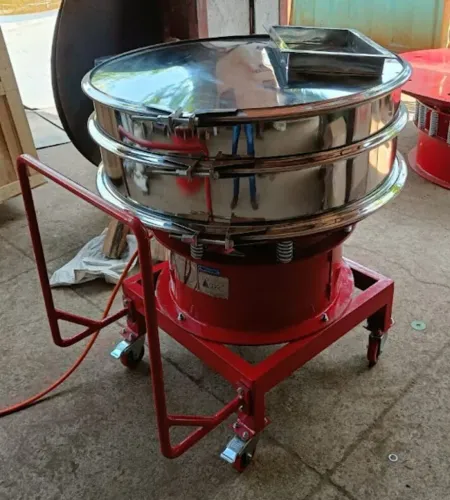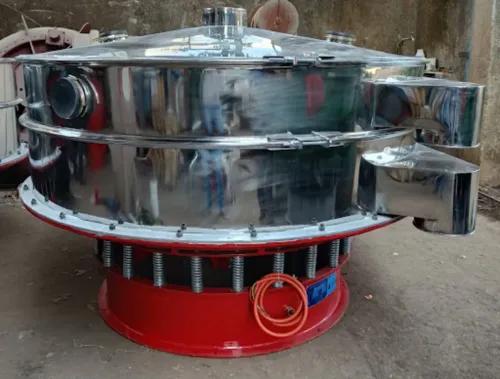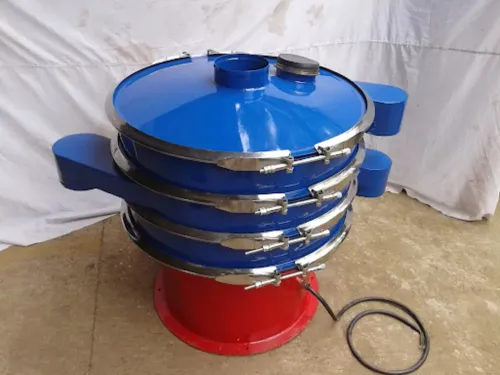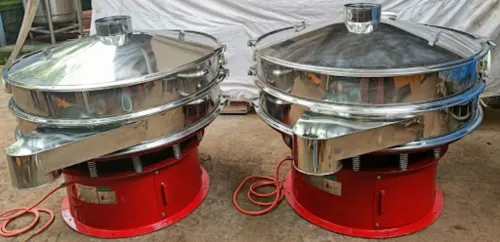
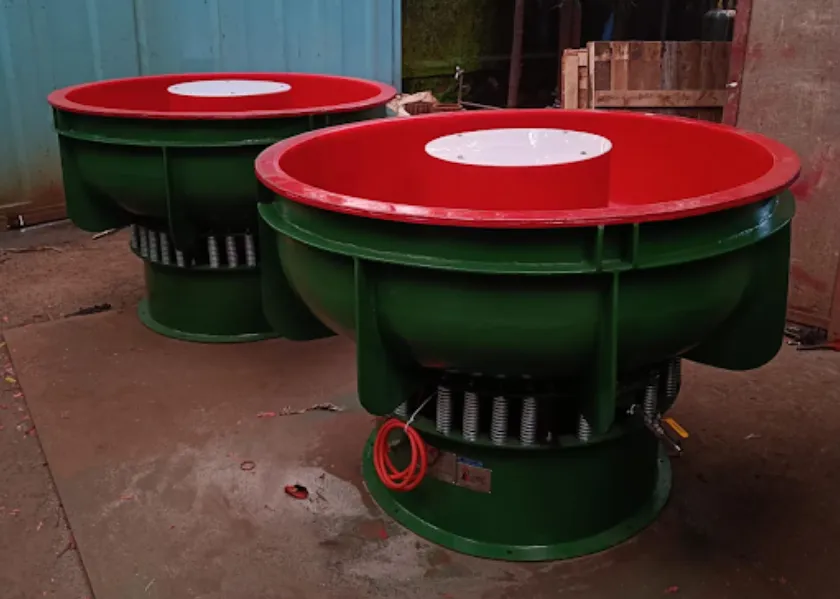
Manual deburring and surface conditioning may be practical for prototypes and very small production quantities. As volumes increase, however, hand finishing can consume substantial labour and introduce variation between components. A Tumbler Finishing Machine offers a batch-processing approach that can help manufacturers handle suitable components using media and controlled tumbling action.
Before replacing manual work, production teams should determine whether the component is genuinely suitable for batch finishing.
Identify Where Manual Work Is Being Used
The first step is to map the current finishing process.
Operators may be manually removing burrs, smoothing edges, cleaning surfaces, or preparing parts for subsequent operations. Recording the time spent on each task can reveal where mechanized finishing could have the greatest impact.
Manufacturers should note:
- Number of parts processed per shift
- Manual finishing time per component
- Rework frequency
- Variation between operators
- Tools and consumables used
- Surface acceptance criteria
This creates a baseline for evaluating a tumbling process.
Check Component Suitability
Not every component should be processed together in a tumbler.
Parts can contact media and potentially other components during processing. Delicate surfaces, thin features, tight dimensional requirements, and complex geometries need careful evaluation.
A trial using representative production parts is therefore an important part of process development.
Match Media to the Task
Media selection depends on whether the primary goal is deburring, smoothing, cleaning, or another surface-finishing requirement.
Shape is particularly important. Media should reach the areas requiring treatment without becoming lodged in the component.
The media-to-part ratio can also influence part interaction and finishing consistency.
Calculate the Wider Production Impact
The value of mechanized finishing should not be judged only by machine cycle time.
Consider how much operator attention is required during the cycle, how parts are loaded and unloaded, how media is separated, and whether additional cleaning is needed.
A longer automated batch cycle may still improve productivity if operators can perform other tasks while the machine runs.
For engineering companies in Navi Mumbai and throughout Maharashtra, this can be useful where skilled labour is currently occupied with repetitive finishing operations.
Establish Clear Acceptance Criteria
A transition from manual to batch finishing should not reduce component quality.
Production teams can define measurable or observable criteria for burr condition, edge quality, surface appearance, cleanliness, and dimensional acceptance.
Trial batches can then be compared with manually finished components.
If results differ, media, cycle duration, loading, or another process variable may need adjustment.
Calculate ROI Using Real Production Data
An equipment decision should include labour savings, consumable costs, machine capacity, maintenance, electricity, media consumption, and potential changes in rework.
The calculation should use actual production quantities rather than theoretical maximum capacity.
Separation Engineers works with industrial finishing applications involving different component types and production requirements. Manufacturers evaluating a Tumbler Finishing Machine in Navi Mumbai or elsewhere in Maharashtra can make a stronger investment decision by comparing the full existing finishing cost with a tested batch process. The aim is not simply to automate a manual task, but to create a repeatable finishing stage that fits production volume, component quality, and everyday shop-floor workflow.
Keywords